Adult Occupational Therapy in Hallandale Beach
Opening a jar, buttoning a shirt or getting ready in the morning can take more effort after a stroke or injury. Occupational therapy starts with the tasks that matter to you and looks at how you can do them.
Care in English and Spanish
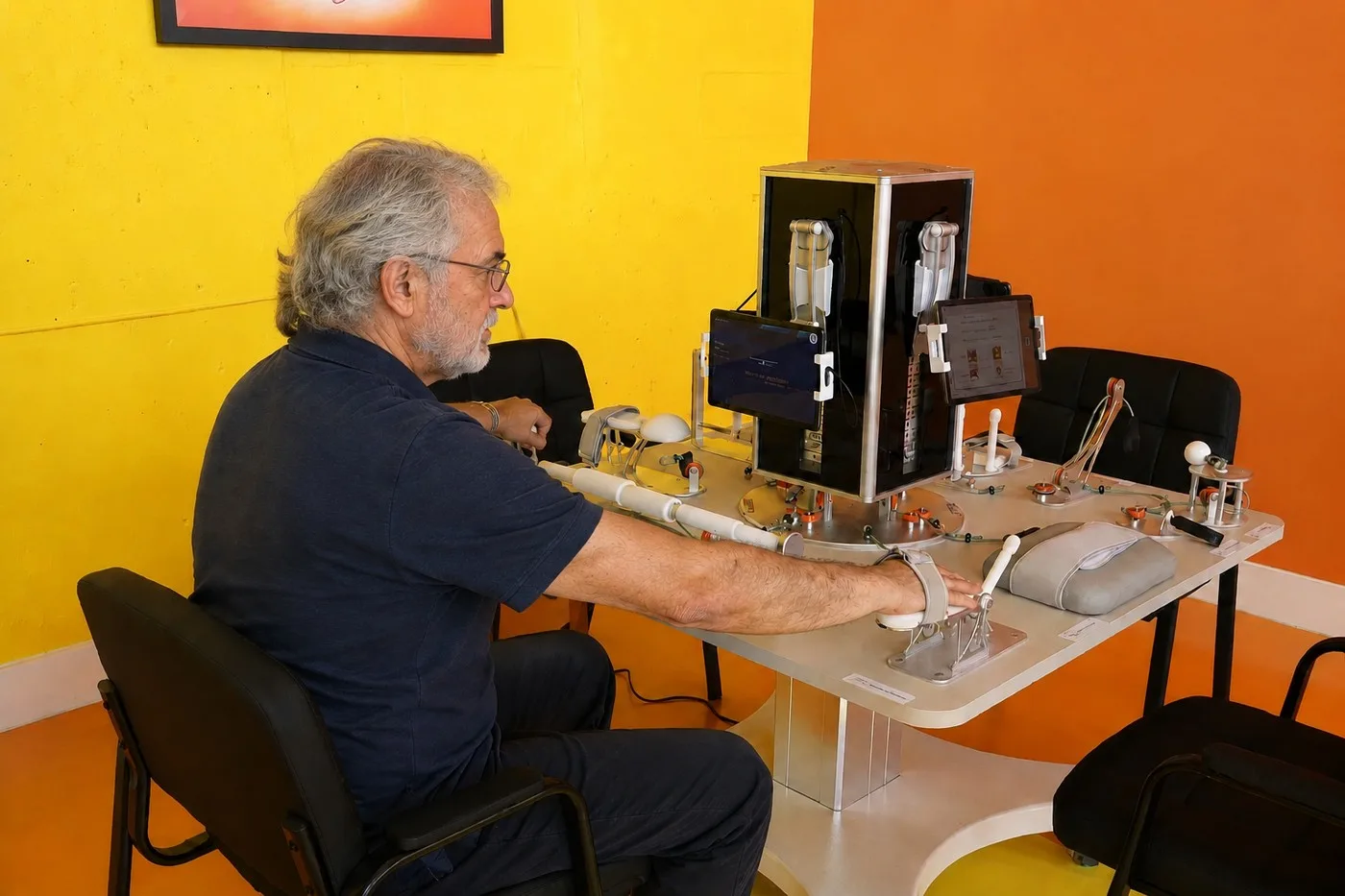
Practice for the tasks you do every day
Getting dressed and taking care of yourself
Your therapist looks at the steps that are difficult. That might mean practicing how to put on a shirt with one arm or exploring how to set up the bathroom so items are easier to reach.
Using your arm and hand
If gripping, reaching or picking up small objects is difficult, therapy may involve practicing tasks like holding a utensil, opening a container or handling buttons. Your therapist accounts for pain, weakness and any movement restrictions.
Organizing a daily routine
After a brain injury, familiar routines can take more concentration or feel hard to sequence. Occupational therapy can help you work on a specific routine, such as getting ready to leave home, using strategies suited to the evaluation.
Learn moreCoordinating care after stroke
If you are also working on balance, walking or communication, the team can coordinate occupational therapy with physical or speech therapy so each session supports your priorities.
Learn more
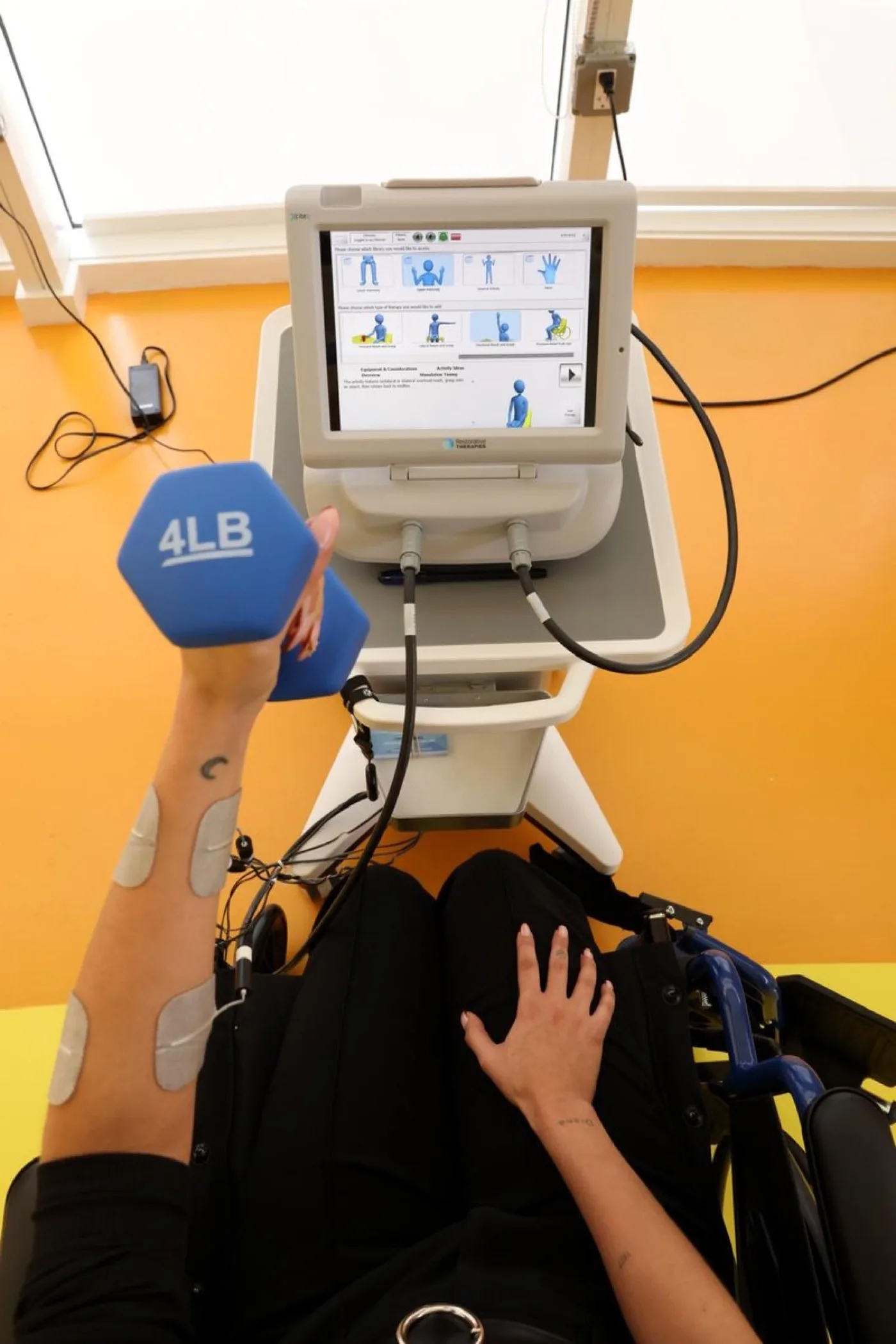
Your first visit
Tell your therapist which tasks have changed and when you need help. Bring any medical instructions and, if useful, an item you have trouble using, such as a shirt with buttons. Your therapist can observe how you approach the task and discuss ways to practice or adapt it.
Visit RehabCenter
501 North Dixie Hwy suite 1007Hallandale Beach, FL 33009
Mon - Fri: 9:00 AM - 5:00 PM
Common questions
How is occupational therapy different from physical therapy?
Physical therapy often focuses on movement, strength, balance and walking. Occupational therapy focuses on applying your abilities to activities such as dressing, cooking or using your hands. The two disciplines can work toward the same daily goal.
Can a family member come to the evaluation?
Yes. A family member or caregiver can help describe how you do things at home and ask how to support your daily activities.
Will my insurance cover occupational therapy?
Coverage and authorization depend on your plan. Check the accepted insurance list and call our front desk with your plan name before your visit.