
Alzheimer’s & Early-Stage Dementia Therapy in Hallandale Beach
Therapy for mobility, communication, and familiar daily routines in early-stage Alzheimer’s disease or dementia. Structured practice and care-partner guidance focus on current abilities, safety, and participation at home.
Care in English and Spanish
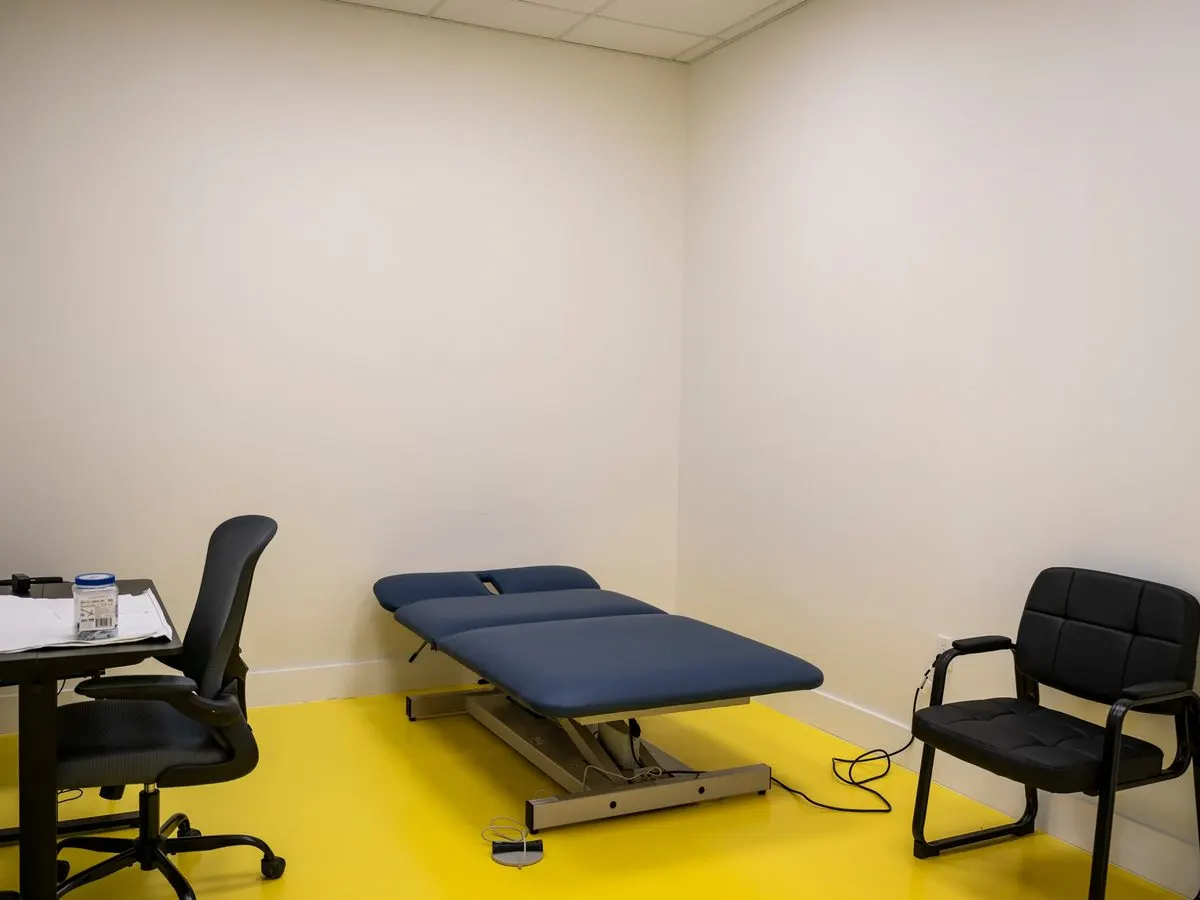
Support for familiar routines and communication.
The evaluation considers cognition together with mobility, communication, safety, daily routines, medical needs, and the support available at home.
Ask a QuestionMobility and balance
Practice walking, transfers, balance, and familiar movement routines at an appropriate level.
Daily routines and participation
Adapt self-care and meaningful activities using structure, cues, and familiar steps.
Communication and caregiver strategies
Support functional communication and teach practical ways to cue or assist.
Support for the person and care partner
Goals are based on current abilities, safety, familiar routines, and what can be used consistently outside therapy.
Familiar movement
Practice walking, transfers, and mobility in simple, repeatable ways.
Daily routines
Break meaningful activities into clearer steps and use consistent cues.
Communication support
Use strategies that make choices and everyday needs easier to express.
Caregiver education
Share practical cueing, safety, and activity strategies for home.
Your first Alzheimer’s or dementia therapy visit
A family member or care partner is welcome. Their perspective can help us understand changes, familiar routines, and the support that works best.
Review the medical picture
Bring diagnosis information, medications, recent changes, and any safety concerns.
Observe current abilities
We review movement, communication, simple tasks, cues, and daily routines as appropriate.
Choose usable strategies
The plan focuses on a small number of meaningful goals that can be reinforced consistently.
Technology that supports your Alzheimer’s & Dementia Therapy
When appropriate, equipment may support mobility, balance, movement, and familiar daily activities within a clear, supervised therapy plan. The clinical team considers safety, communication, current function, and family priorities.
Explore all technology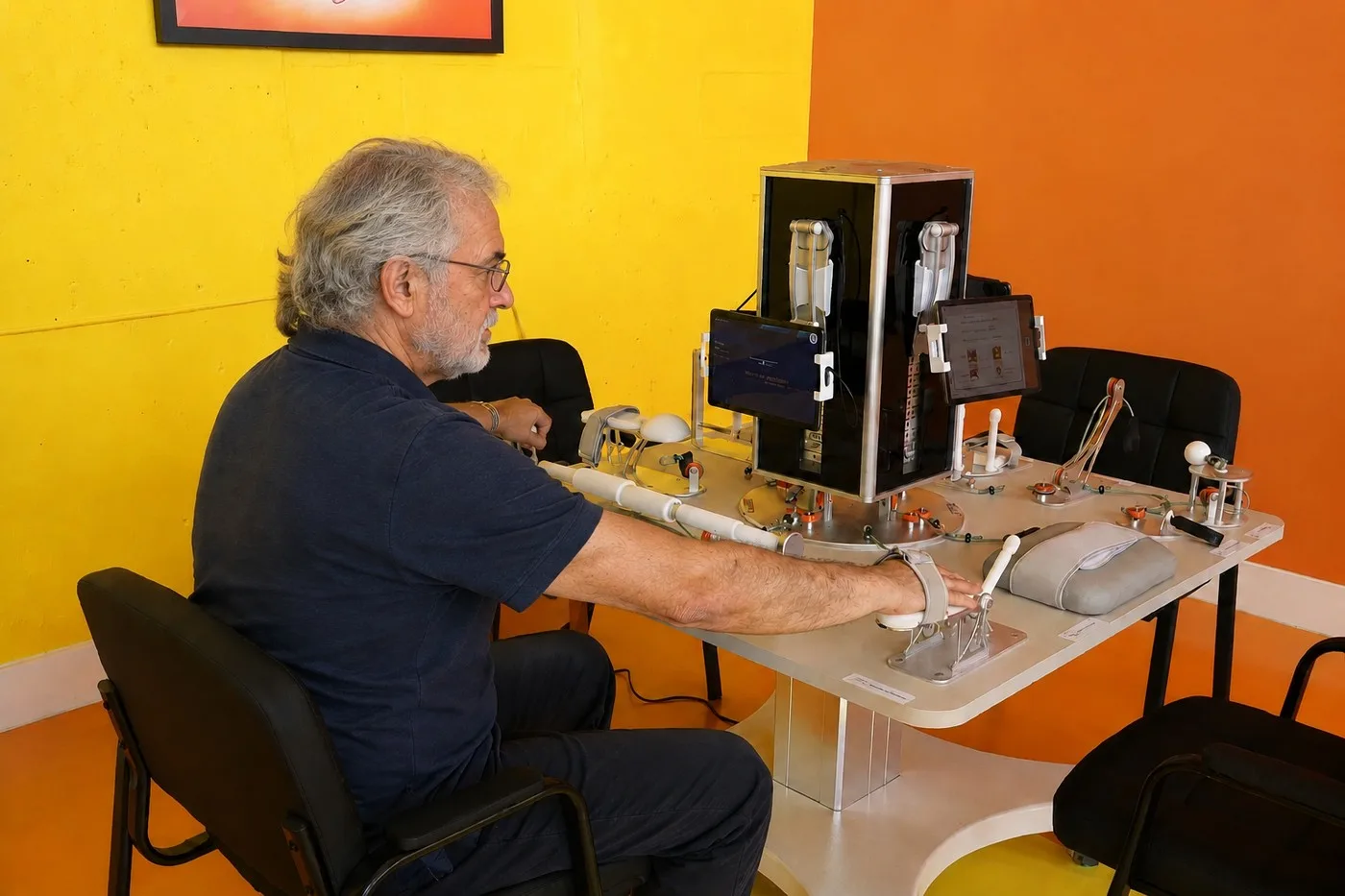
View equipment for this program
MOTOmed Muvi
Motor-assisted arm and leg cycling can be adjusted to the person’s current movement ability.
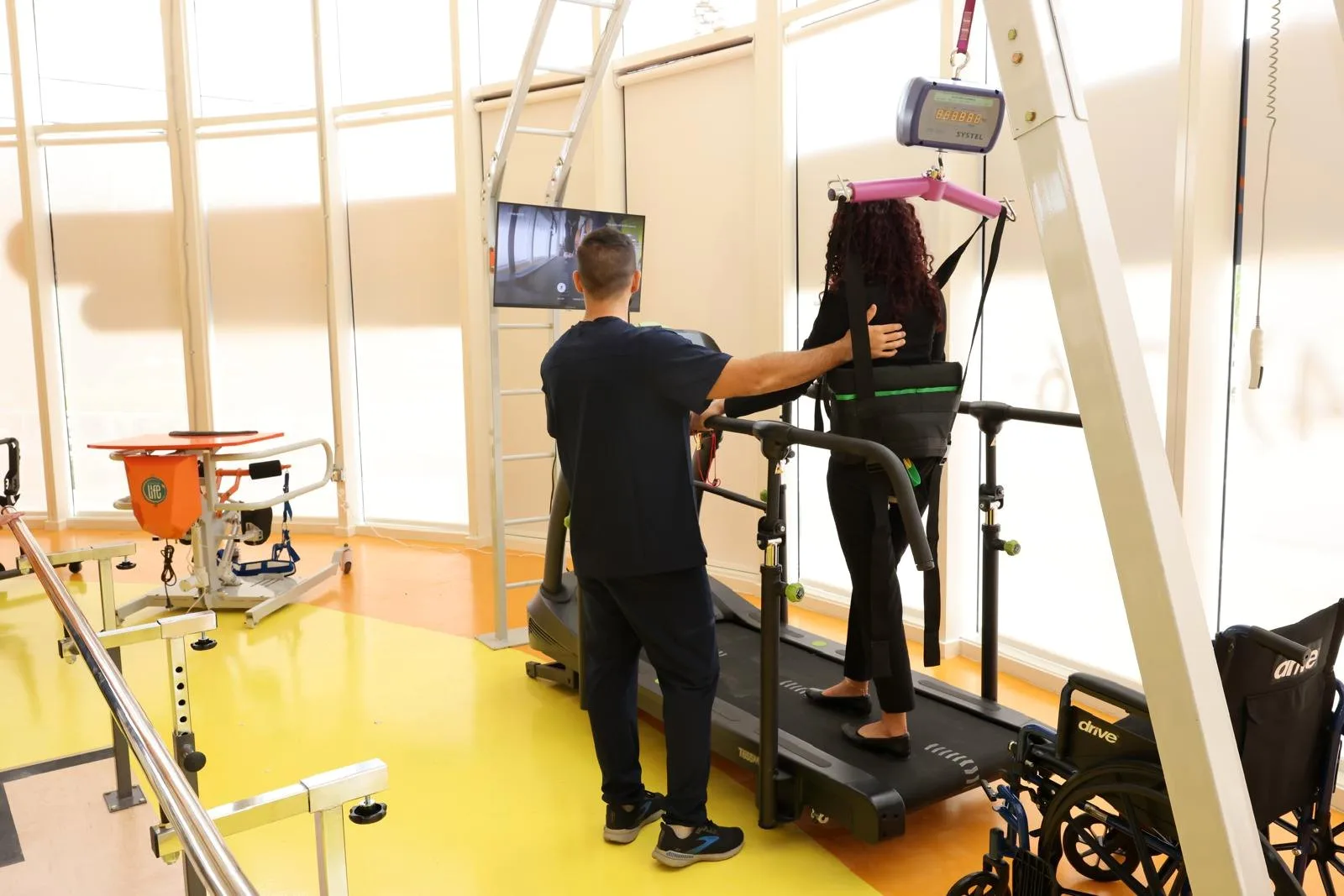
Body-Weight-Supported Treadmill
A harness reduces the amount of body weight the patient must manage during supported walking practice.
ZEPU Occupational Therapy Table
A modular workstation for arm and hand movement, coordination, dexterity, and functional task practice.
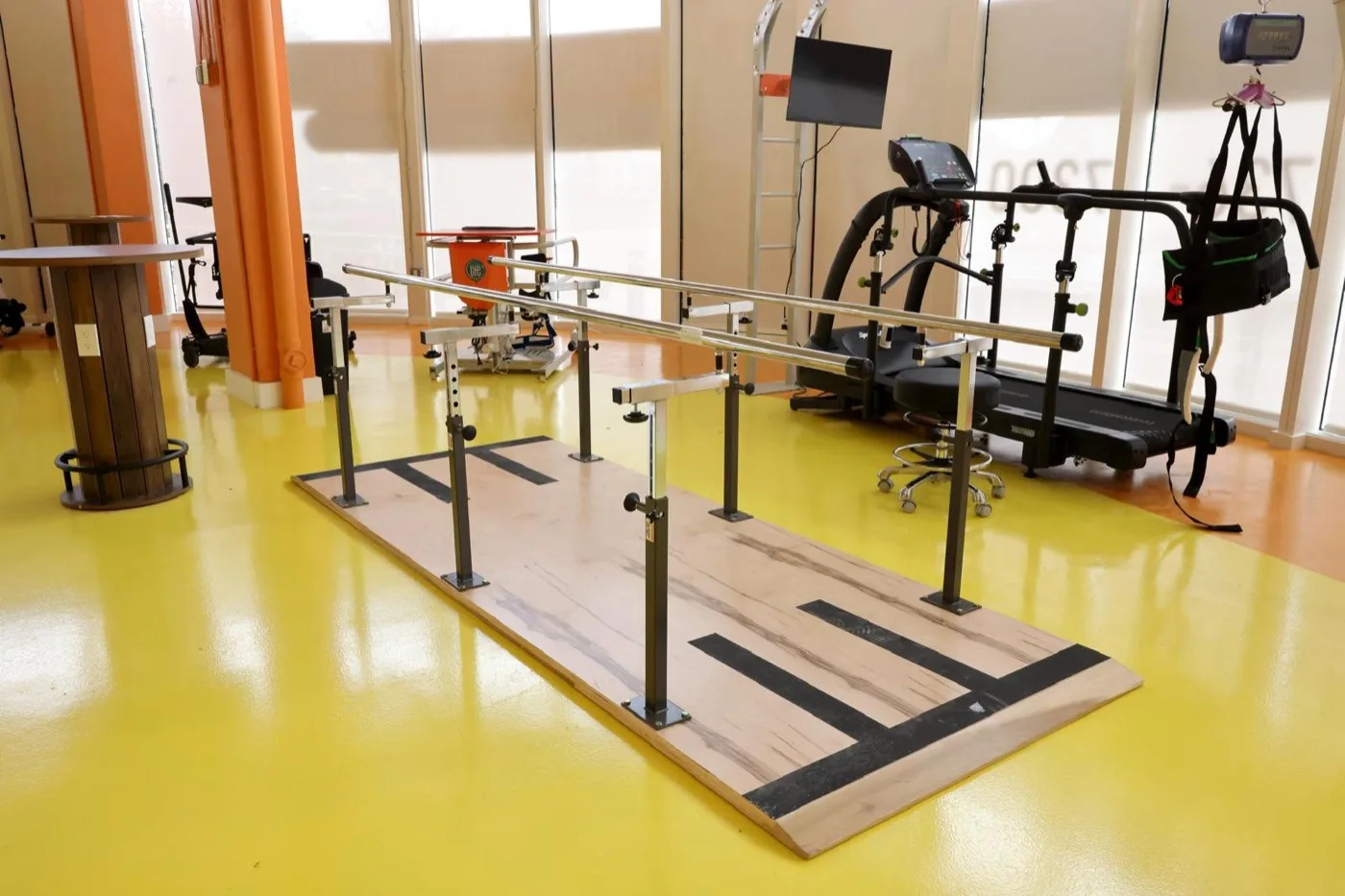
Parallel Bars
Bilateral hand support can be used for standing, transfers, weight shifting, stepping, and gait practice.
Alzheimer’s and dementia therapy questions
Talk with us about your questionsShould a family member attend?
When possible, yes. A familiar care partner can provide context and learn strategies to use at home.
What stage does the program serve?
This page describes support for Alzheimer’s disease and dementia in an early stage. The evaluation determines whether outpatient therapy fits the person’s current needs and safety.
What should we bring?
Bring diagnosis information, medication list, recent clinical notes, mobility equipment, and a list of the routines or safety concerns that matter most.