Peripheral Neuropathy Rehabilitation in Hallandale Beach
Therapy for weakness, sensory changes, balance, walking, and hand use with peripheral or diabetic neuropathy. We focus on daily function and suitable support while your doctor manages the underlying condition.
Care in English and Spanish
Neuropathy care for movement and daily tasks.
Neuropathy has many causes. We work on what it is doing to your movement and your daily life, while your doctor manages the underlying condition.
Ask a QuestionPeripheral Neuropathy Therapy
Physical therapy for weakness, sensory changes, balance, foot clearance, walking safety, hand use, and daily function.
Diabetic Neuropathy Therapy
Functional therapy for balance, strength, walking safety, reduced sensation, and fall risk while diabetes remains medically managed.
Balance and gait changes
Practice for reduced position sense, unsteadiness, foot clearance, transfers, and safer walking.
Hand and daily-task limitations
Occupational strategies for grip, dexterity, object handling, self-care, and home routines.
Practice for steadier movement and useful hand function.
We choose goals based on which nerves are involved, the pattern of your symptoms, your fall risk, and what your doctor recommends.
Targeted strength
Build safe, task-specific strength while monitoring fatigue, compensation, pain, and sensory loss.
Balance and position awareness
Practice stable standing and movement using visual, sensory, and assistive strategies as needed.
Gait and transfers
Work on foot clearance, device use, surface changes, transfers, and community safety.
Hand use and self-care
Improve or adapt grip, coordination, dressing, meal tasks, and practical object use.
Your first neuropathy evaluation.
The first visit connects your medical diagnosis to the specific problems you are having — walking, feeling, balance, or using your hands.
Review diagnosis and precautions
Bring neurology notes, test results, medications, skin or foot precautions, and recent therapy information.
Assess movement and sensation
The team may review strength, range of motion, balance, gait, transfers, hand function, and safety awareness.
Prioritize practical goals
The plan focuses on the activities most important for independence and fall reduction.
Technology that supports your Peripheral Neuropathy Rehabilitation
Equipment may support balance assessment, standing, stepping, and walking practice when sensation, strength, or stability are affected by peripheral neuropathy. Your therapist selects tools according to your symptoms, fall risk, safety, and goals.
Explore all technology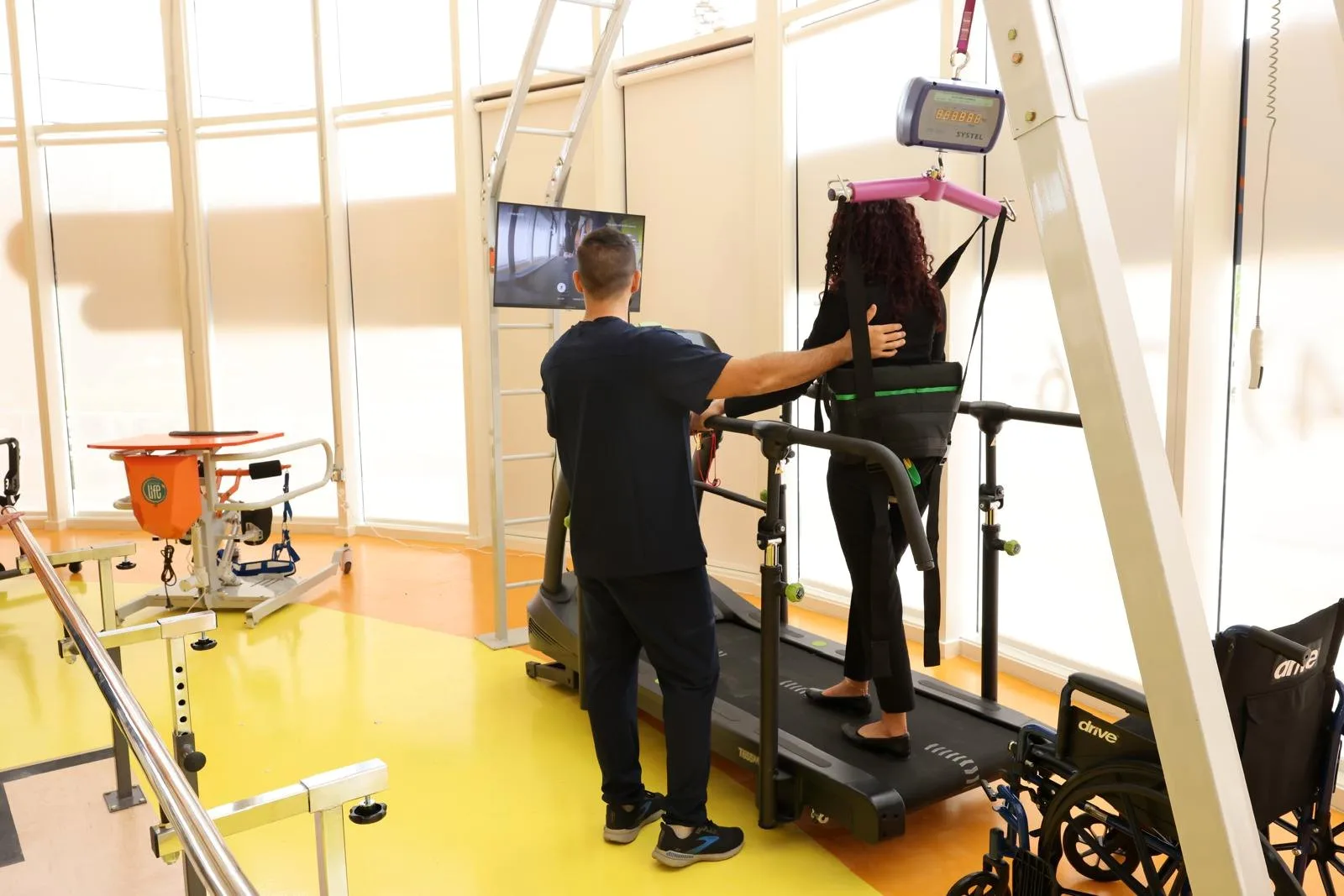
View equipment for this program
MOTOmed Muvi
Motor-assisted arm and leg cycling can be adjusted to the person’s current movement ability.
Body-Weight-Supported Treadmill
A harness reduces the amount of body weight the patient must manage during supported walking practice.
ZEPU Standing Table
The table can bring the body gradually toward an upright position when standing tolerance is part of the plan.
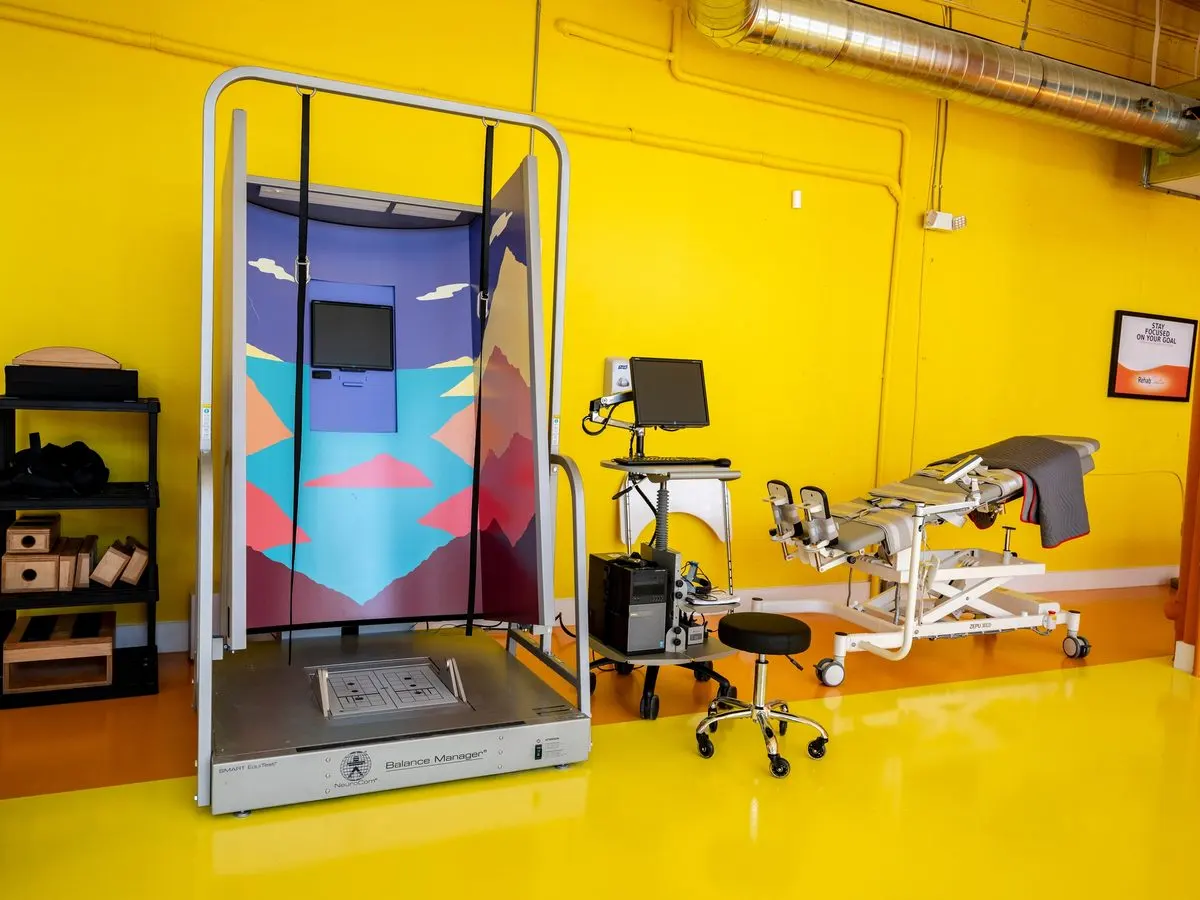
SMART EquiTest® Balance System
Computerized assessment and training can measure balance responses and guide appropriate balance practice.
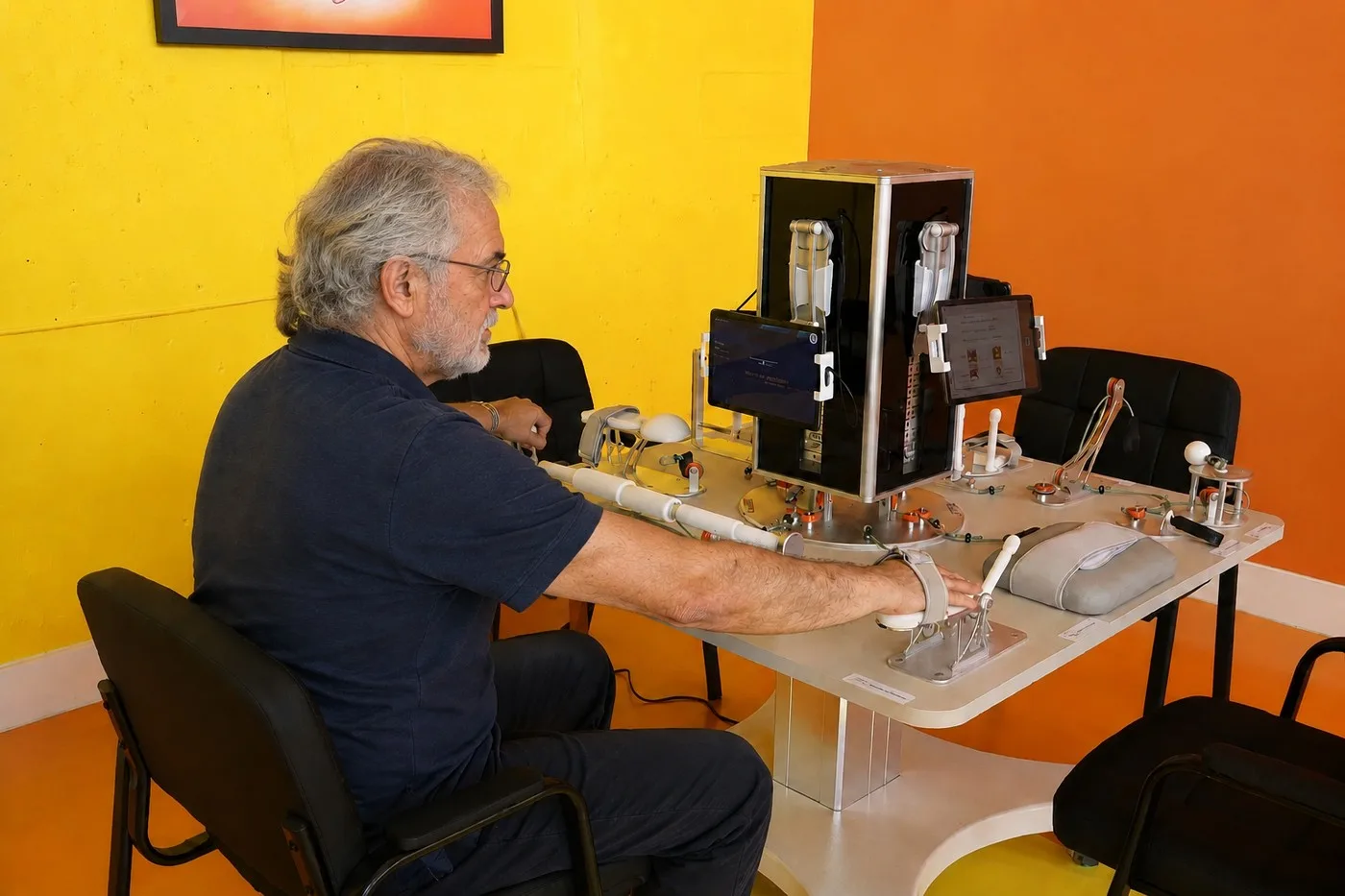
ZEPU Occupational Therapy Table
A modular workstation for arm and hand movement, coordination, dexterity, and functional task practice.
Standing Frame
The frame provides support for upright positioning when independent standing is not currently appropriate.
Parallel Bars
Bilateral hand support can be used for standing, transfers, weight shifting, stepping, and gait practice.
Peripheral neuropathy questions
Talk with us about your questionsCan rehabilitation remove numbness or nerve damage?
Results depend on the cause and extent of nerve involvement. Rehabilitation focuses on function, strength, balance, safety, compensation, and participation rather than promising nerve recovery.
Can therapy help with falls?
The evaluation can identify balance, sensation, strength, footwear, device, and environmental factors that may contribute to fall risk.
Should I bring my cane, walker, brace, or orthotic?
Yes. Bring the equipment you currently use so the team can observe fit, handling, and safety during functional tasks.