
Wrist & Elbow Fracture Rehabilitation in Hallandale Beach
Therapy for wrist or elbow movement, grip, coordination, and everyday hand use after fracture, surgery, or immobilization. Practice follows medical clearance and the tasks identified during your evaluation.
Care in English and Spanish
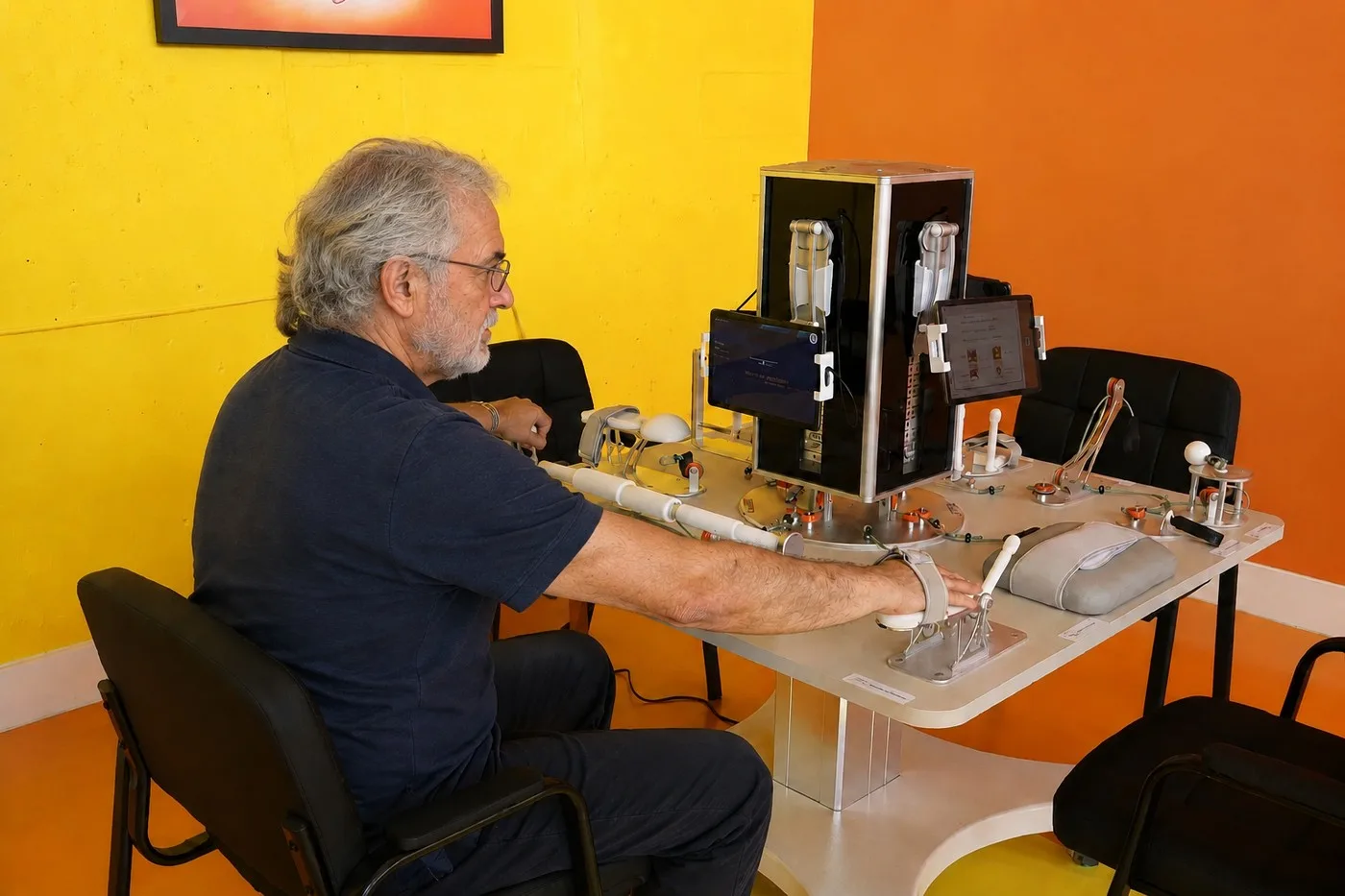
Wrist and elbow care for everyday hand use.
The treatment plan depends on the fracture, surgery or immobilization history, healing status, precautions, symptoms, and medical clearance.
Ask a QuestionAfter wrist fracture
Therapy for wrist and forearm motion, grip, hand use, and daily activities after clearance.
After elbow fracture
Therapy for protected elbow and forearm motion, strength, reaching, and arm use.
After surgery or immobilization
Progression based on healing, precautions, stiffness, swelling, and current function.
Practice for useful arm and hand movement.
Goals are tied to the tasks you need to perform and remain within the surgeon’s or physician’s restrictions.
Motion
Work on wrist, elbow, and forearm movement within healing limits.
Grip and hand use
Practice grasp, release, dexterity, and coordinated use of the hand.
Strength
Progress arm and hand strength when cleared and clinically appropriate.
Daily tasks
Practice dressing, grooming, meal tasks, work, or hobbies relevant to you.
Bring your fracture and surgery information
The first visit reviews the injury, procedure or immobilization, precautions, pain and swelling, movement, hand use, and daily limitations.
Confirm healing guidance
Bring the referral, imaging or reports, surgical instructions, and splint or brace.
Assess arm and hand function
We review motion, swelling, symptoms, grip, coordination, and functional use.
Build a task-based plan
Therapy priorities reflect medical restrictions and the activities you need to recover.
Technology that supports your Wrist & Elbow Rehabilitation
Specialized equipment may support arm and hand movement, range of motion, coordination, and functional task practice after a wrist or elbow fracture. Your therapist selects tools according to healing, medical precautions, current function, and goals.
Explore all technologyView equipment for this program
ZEPU Occupational Therapy Table
A modular workstation for arm and hand movement, coordination, dexterity, and functional task practice.
Wrist and elbow rehabilitation questions
Talk with us about your questionsCan therapy begin while I still use a brace or splint?
Sometimes, but only within the physician’s restrictions. Bring the device and written instructions to the evaluation.
Will therapy address hand function after a wrist fracture?
It may address grip, dexterity, coordination, swelling, and practical hand use when medically appropriate.
What should I bring?
Bring the referral, imaging or operative reports, precautions, and any brace or splint you currently use.