Traumatic Brain Injury Rehabilitation in Hallandale Beach
Physical, occupational, and speech-language therapy for changes in movement, balance, thinking, communication, and daily activities after a traumatic brain injury. The plan is paced to your current abilities and tolerance.
Care in English and Spanish
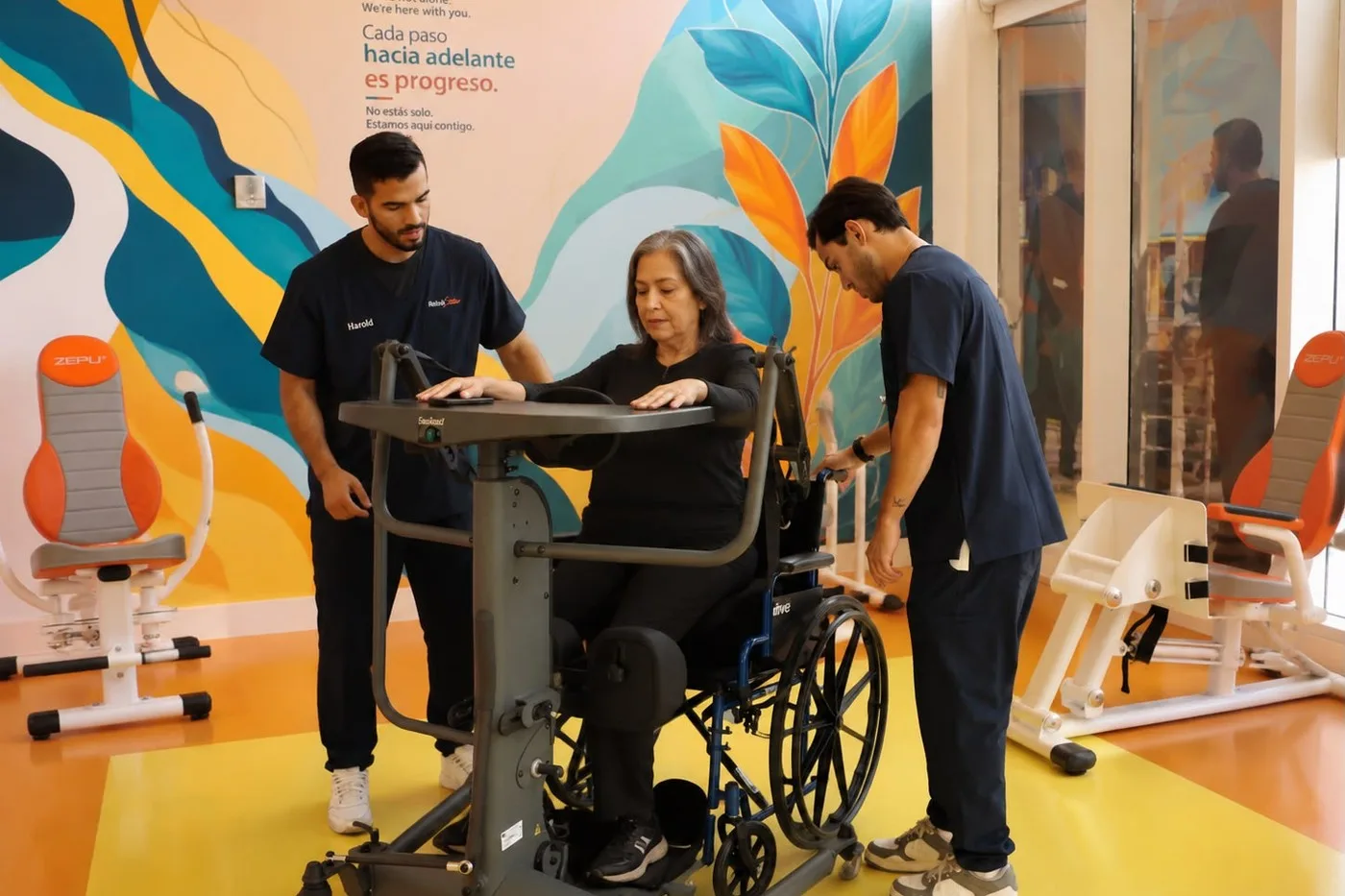
Brain injury care for physical and cognitive changes.
Mild and severe brain injuries can create different rehabilitation needs. We begin with what has changed, how much support you need, and the routines you want to return to.
Ask a QuestionWalking and balance
Practice standing, transfers, walking, and balance with the level of assistance appropriate to your current abilities.
Attention and daily tasks
Work on attention, memory, and completing everyday tasks through structured practice and practical strategies.
Communication
Speech-language therapy may address understanding, expression, and communication during daily activities.
Arm and hand use
Practice reaching, coordination, and using your arms and hands in self-care and other meaningful tasks.
Connect therapy to your everyday priorities.
Your goals connect physical and cognitive work so that practice reflects the activities you need in daily life.
Mobility
Work on moving between surfaces, standing, and walking with suitable support.
Thinking and activity
Use task practice and strategies for attention, memory, and everyday routines.
Communication
Build practical ways to understand and express everyday needs.
Daily independence
Practice activities that matter at home, with family or caregiver support when appropriate.
Your first brain injury evaluation.
We review injury history, current function, fatigue, communication, and medical guidance to identify an appropriate starting point.
Understand the injury and current needs
Bring medical reports, precautions, medications, and information about previous therapy.
Assess physical and cognitive function
We review movement, balance, attention, communication, and daily tasks as relevant to you.
Coordinate the treatment plan
The team selects disciplines, task practice, and support around shared goals and your response to therapy.
Technology that supports your Traumatic Brain Injury Rehabilitation
When a brain injury affects movement, balance, endurance, or daily activities, specialized equipment may support selected parts of your rehabilitation plan. Your clinical team chooses each tool according to your current abilities, safety, and goals.
Explore all technology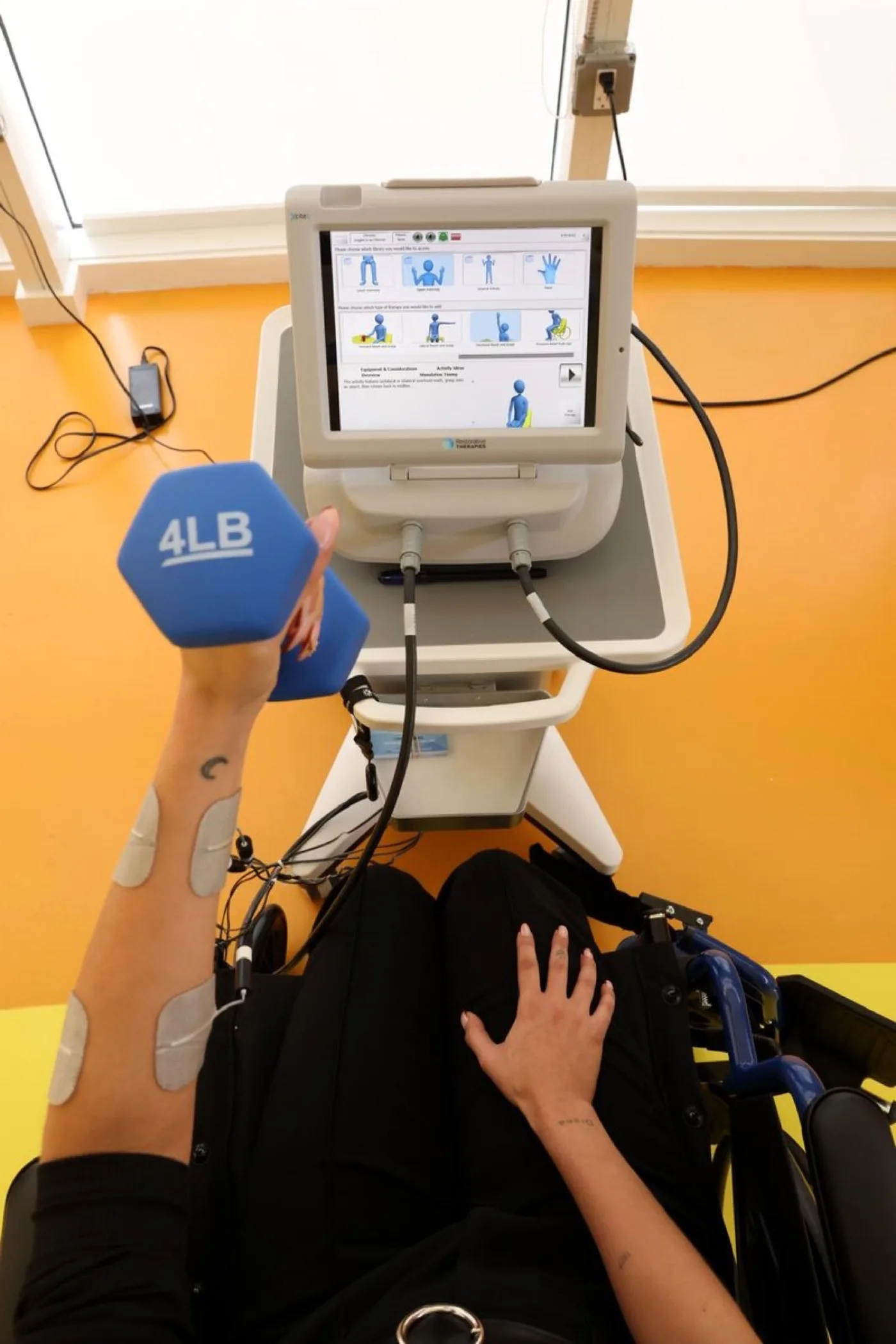
View equipment for this program
Xcite® Functional Electrical Stimulation
Electrical stimulation can be coordinated with selected movements and functional task practice.
MOTOmed Muvi
Motor-assisted arm and leg cycling can be adjusted to the person’s current movement ability.
Body-Weight-Supported Treadmill
A harness reduces the amount of body weight the patient must manage during supported walking practice.
ZEPU Standing Table
The table can bring the body gradually toward an upright position when standing tolerance is part of the plan.
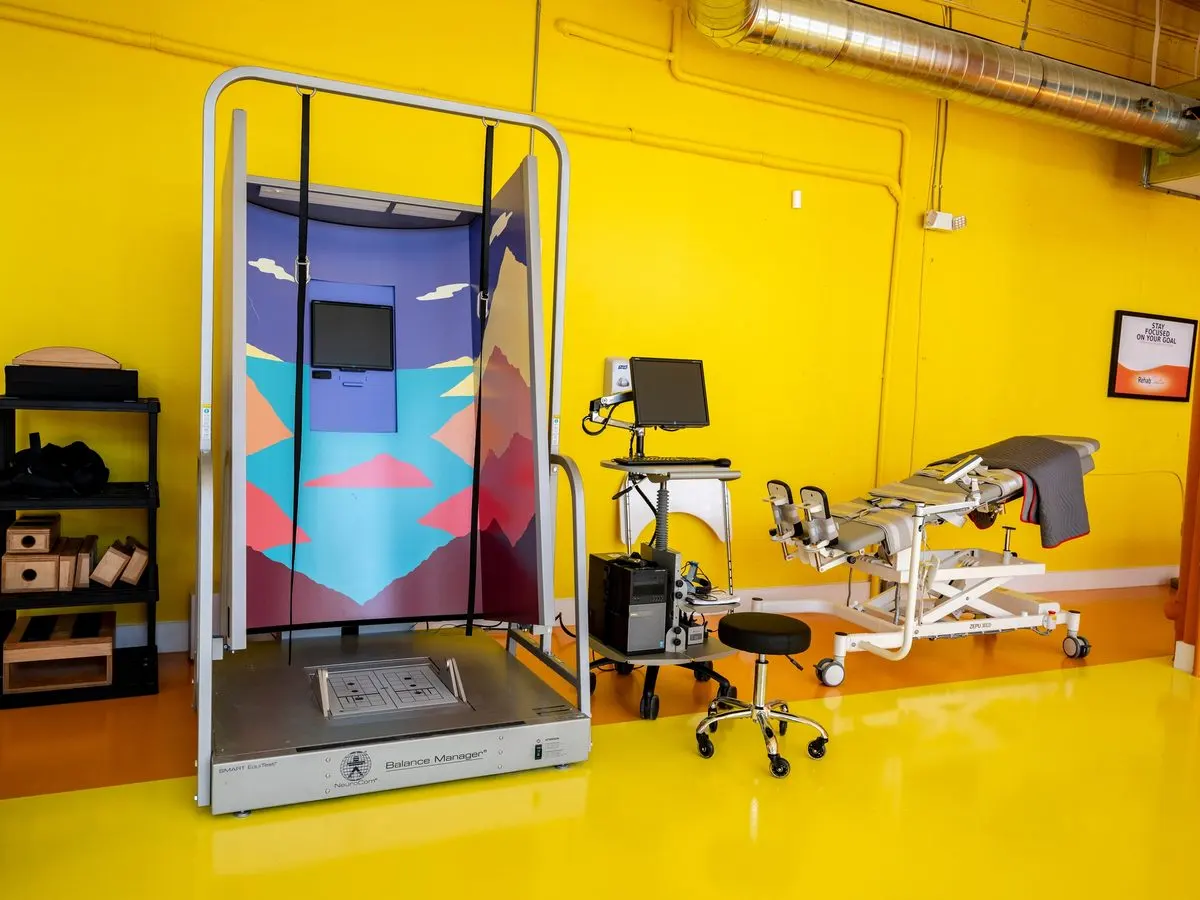
SMART EquiTest® Balance System
Computerized assessment and training can measure balance responses and guide appropriate balance practice.
ZEPU Occupational Therapy Table
A modular workstation for arm and hand movement, coordination, dexterity, and functional task practice.
Standing Frame
The frame provides support for upright positioning when independent standing is not currently appropriate.
Parallel Bars
Bilateral hand support can be used for standing, transfers, weight shifting, stepping, and gait practice.
Brain injury rehabilitation questions.
Talk with us about your questionsDo you work with mild and severe brain injuries?
The clinic’s brain injury program includes different presentations. The evaluation determines whether outpatient care fits your current medical and functional needs.
Can a family member attend?
A family member or care partner can help explain changes, daily routines, and the support you need at home.
What should I bring?
Bring medical reports, your medication list, precautions, previous therapy information, and any mobility equipment you use.