
Orthopedic & Post-Surgical Rehabilitation in Florida
Rehabilitation after orthopedic surgery or fracture, plus physical therapy for back pain, neck pain, and sciatica. Your plan connects the evaluation and medical instructions to the daily activities you want to return to.
Care in English and Spanish
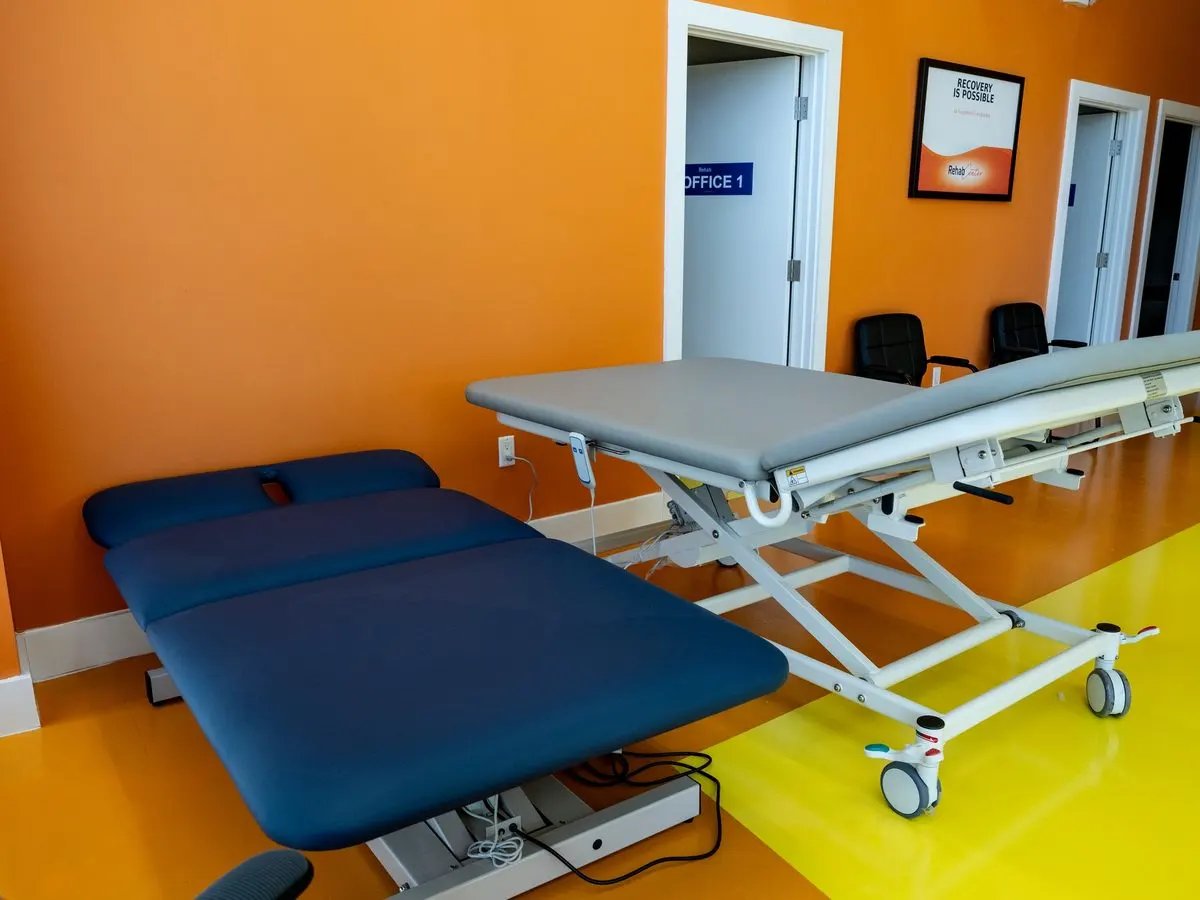
Rehabilitation for surgery, fractures, and pain.
Treatment planning depends on clinical evaluation and referral information. After surgery or fracture, it also depends on medical stability, wound status, and the surgeon’s movement and weight-bearing instructions.
Ask a QuestionKnee Replacement Rehabilitation
Surgeon-guided rehabilitation for range of motion, strength, swelling-aware activity, walking, stairs, and daily routines.
Explore this programHip Replacement Rehabilitation
Surgeon-guided rehabilitation for transfers, strength, walking, precautions, balance, and daily activities.
Explore this programHip Fracture Rehabilitation
Progressive mobility, transfers, strengthening, balance, and walking under documented precautions and weight-bearing orders.
Explore this programWrist & Elbow Fracture Rehabilitation
Postoperative and post-immobilization therapy for upper-limb motion, grip, coordination, and daily tasks.
Explore this programShoulder Surgery Rehabilitation
Post-surgical therapy for protected range of motion, strength, reaching, arm use, and return to daily activity under the surgeon’s protocol.
Spine Surgery Rehabilitation
Protocol-based rehabilitation for mobility, posture, strength, walking tolerance, body mechanics, and daily activity.
Back Pain Physical Therapy
Evaluation-led physical therapy for movement, strength, mobility, body mechanics, and functional limitations associated with back pain.
Neck Pain Physical Therapy
Evaluation-led physical therapy for neck mobility, posture, strength, movement tolerance, and related daily-function limitations.
Sciatica Treatment
Physical therapy for movement, strength, mobility, symptom management, and daily activities after appropriate evaluation of radiating leg symptoms.
Work toward your everyday activities.
The plan progresses from the evaluation findings. After surgery, it remains within the precautions and loading instructions supplied by the surgical team.
Walking and stairs
Practice gait, assistive-device use, turning, steps, and community mobility at the prescribed loading level.
Transfers and daily movement
Improve bed, chair, toilet, vehicle, and household movement while following postoperative precautions.
Strength and range of motion
Use progressive exercise to address weakness and mobility within healing and surgical limits.
Upper-body and spinal function
Restore or adapt reaching, posture, body mechanics, lifting, movement tolerance, and self-care as appropriate.
Bring the diagnosis and postoperative protocol
The first visit reviews the diagnosis, referral, current function, and goals. After surgery, it also confirms what the surgeon has cleared and which milestones should guide progression.
Review diagnosis, surgery, and precautions
Bring the referral and relevant reports. After surgery, bring the operative summary, weight-bearing orders, movement precautions, wound instructions, and imaging.
Assess current mobility
The team reviews pain, swelling, range, strength, transfers, walking, balance, and daily-task limitations.
Set measurable milestones
The plan organizes safe progression toward household, community, work, or self-care goals.
Orthopedic rehabilitation questions
Talk with us about your questionsCan I start immediately after hip or knee replacement?
Timing depends on medical stability, wound status, the surgeon’s referral, and the procedure-specific protocol. Admissions reviews these details before confirming the program.
What if I have partial weight-bearing restrictions?
Bring the written restriction and assistive device. Therapy is planned around the exact loading level and progression ordered by the surgeon.
Do you provide therapy after shoulder or spine surgery?
The program may support shoulder or spine surgery recovery after medical clearance. Therapy follows the procedure-specific restrictions and surgeon’s protocol.