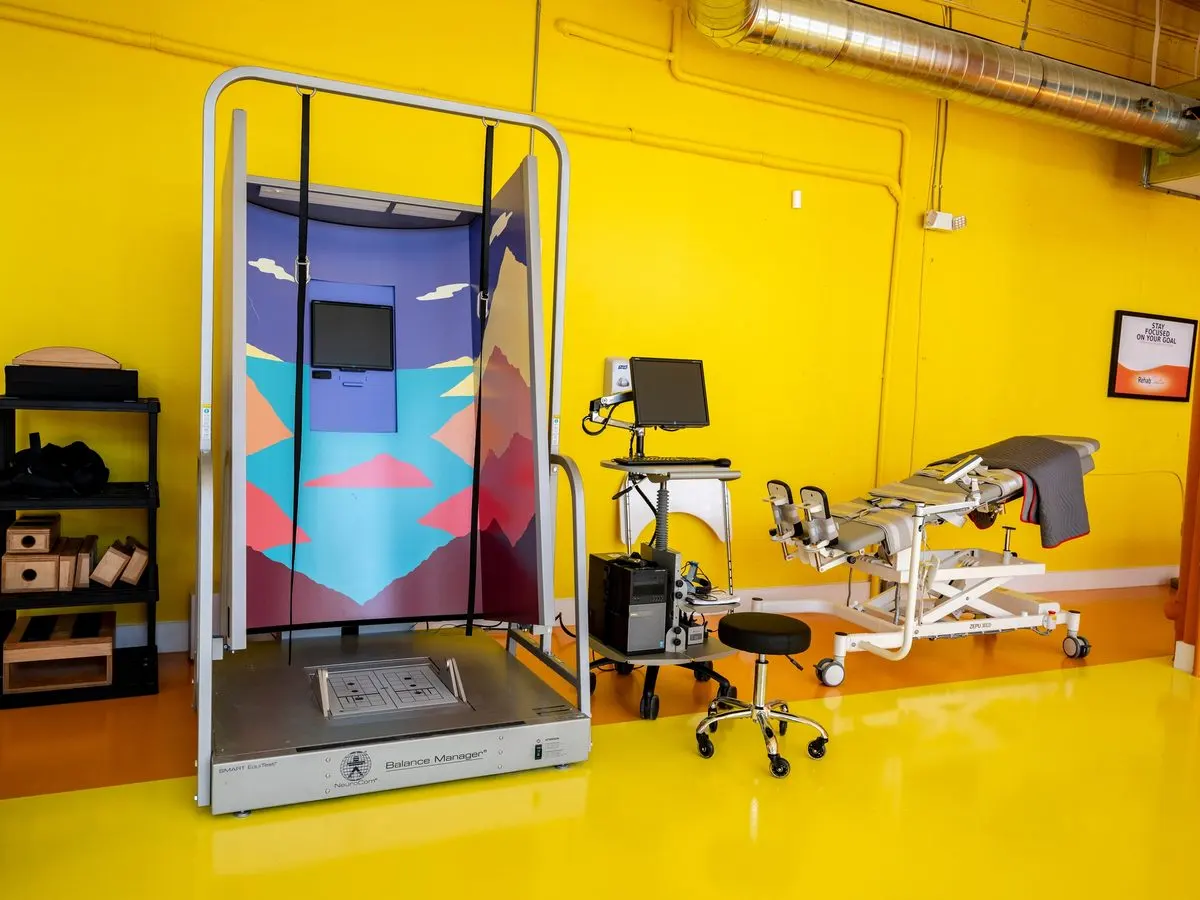
SMART EquiTest® (NeuroCom)
A computerized dynamic posturography system that measures how vision, inner-ear input, and sensation contribute to standing balance. Results help guide balance training and compare change over time.
Treatments
Mon - Fri: 9:00 AM - 5:00 PM
Saturday: Closed · Sunday: Closed
Your evaluation and daily goals come first. When equipment can add useful information, adjust support, or help you practice a specific movement, your clinician selects and guides its use.
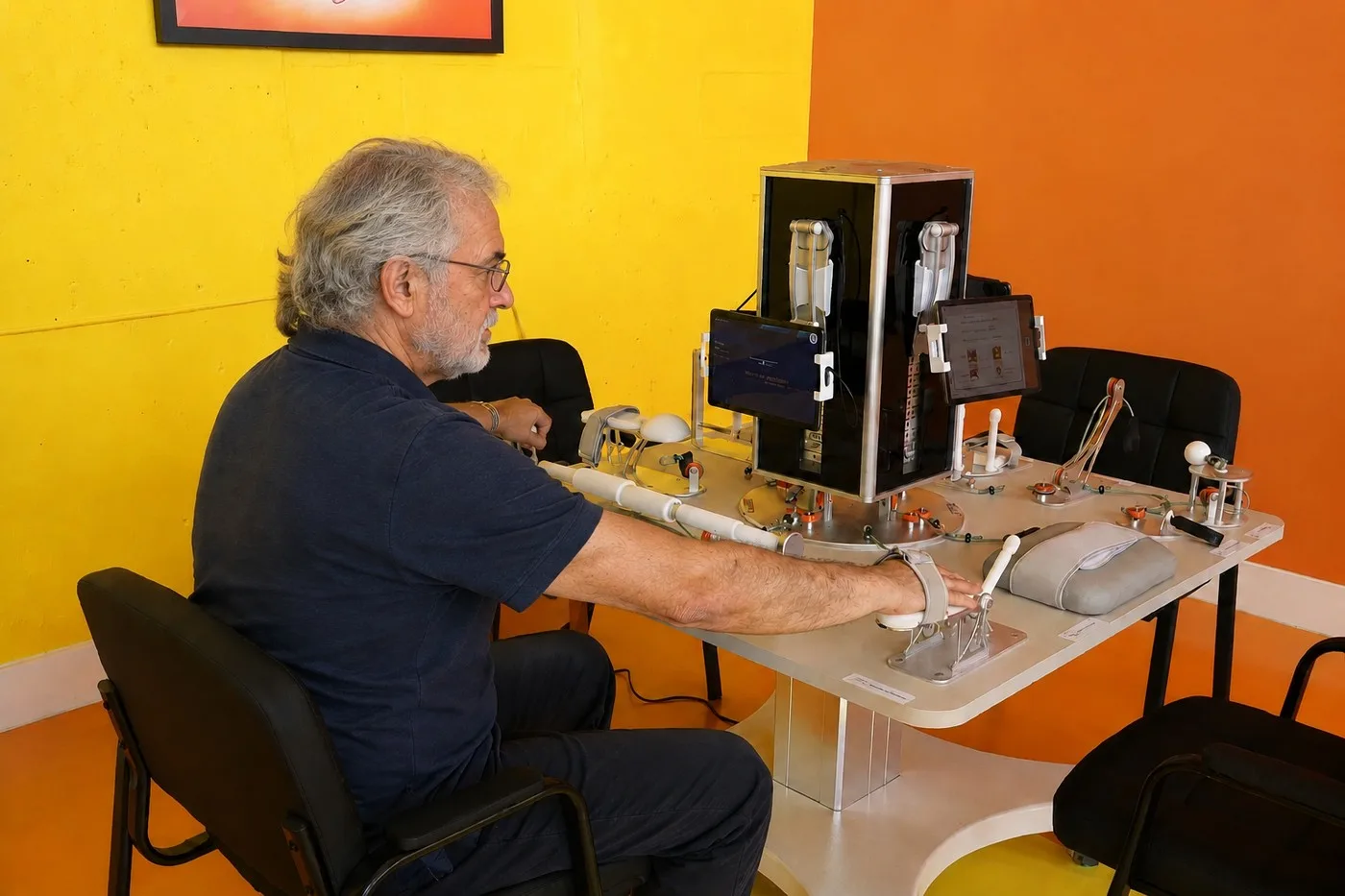
The same system can serve different purposes. The team decides how to use it based on what matters to you, what your evaluation shows, and how you respond in each session.
Your clinician selects, adjusts, and guides its use.
The plan begins with what you want to do, what your evaluation shows, and the support you need now.
Each system is chosen for a defined purpose: to measure, support, activate, or help you practice.
Your response, clinical observations, and measurements help the team decide what to continue, adjust, or change.
Work in the clinic should connect to what you want and need to do beyond it—change position, transfer between surfaces, move through your home, and take part in daily routines.
Supported positions, bed setup, and moving between surfaces.
Seating, wheelchairs, walking support, and daily mobility.
Common barriers and the activities that matter at home.
The purpose: Greater independence and a better quality of life.
These systems can support different parts of rehabilitation. Your clinician may use one or more after evaluation, depending on your goals, current abilities, safety, and tolerance.
Explore treatment areasTools that help the team understand gaze stability, sensory input, and how you respond during controlled balance practice.
A computerized dynamic posturography system that measures how vision, inner-ear input, and sensation contribute to standing balance. Results help guide balance training and compare change over time.
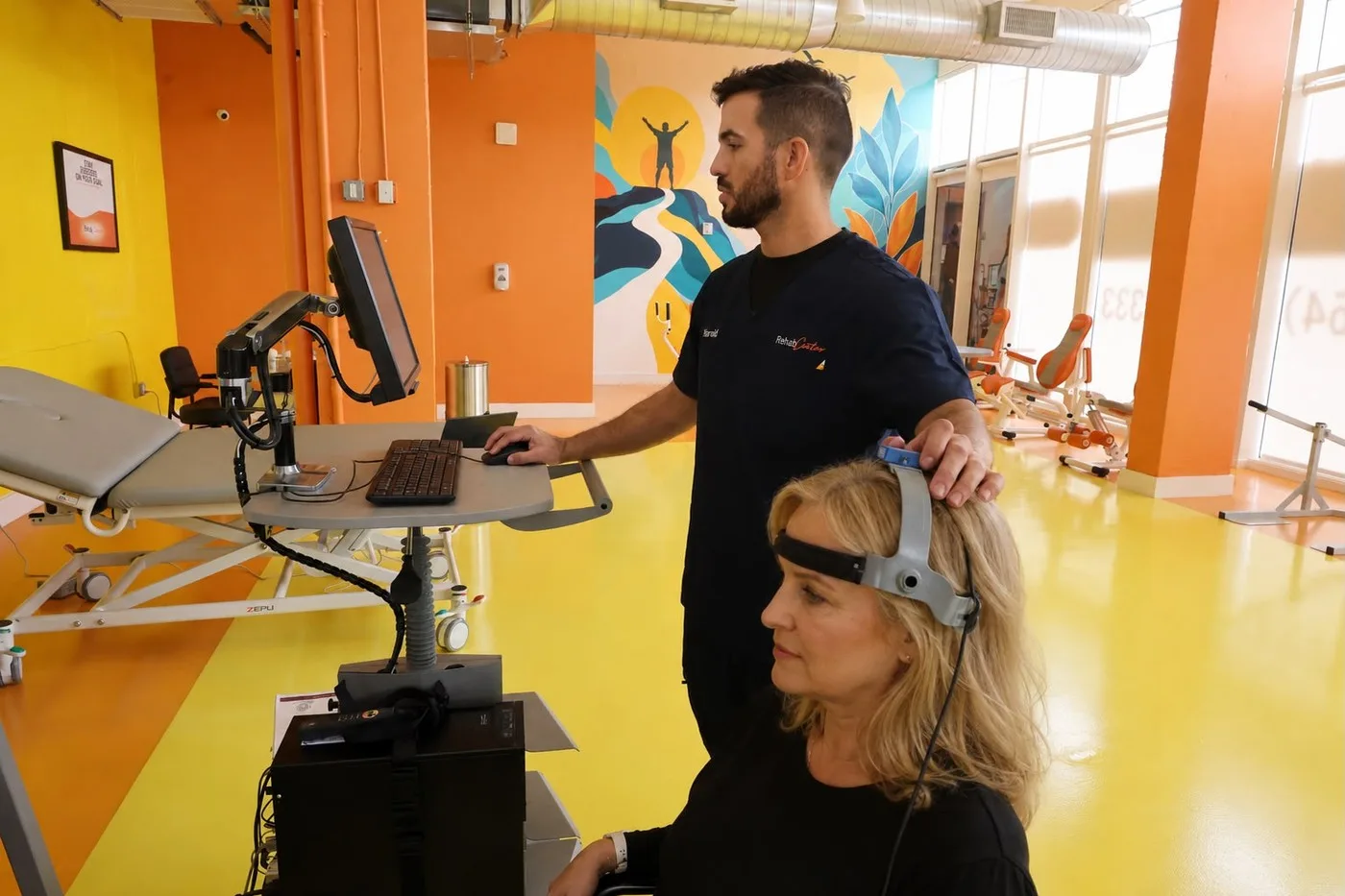
Measures gaze stability while the head moves and supports repeatable exercises for gaze control. Results help the clinician understand how head movement affects visual clarity.
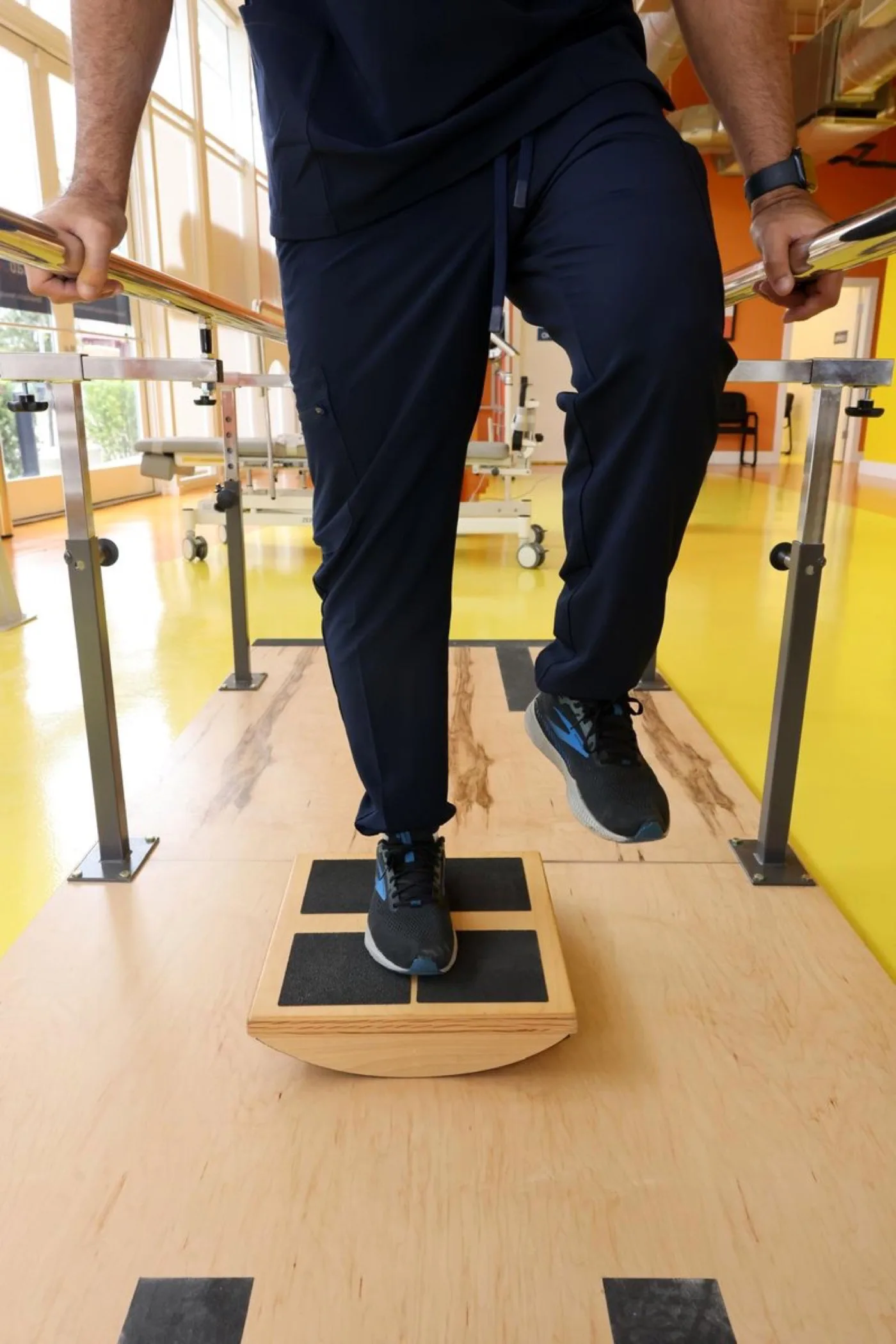
An unstable platform inside parallel bars for guided practice with weight shifting and ankle- and hip-based balance strategies. Hand support remains within reach.
Systems that can activate selected muscles, assist cycling, or provide support for guided, repeatable movement.
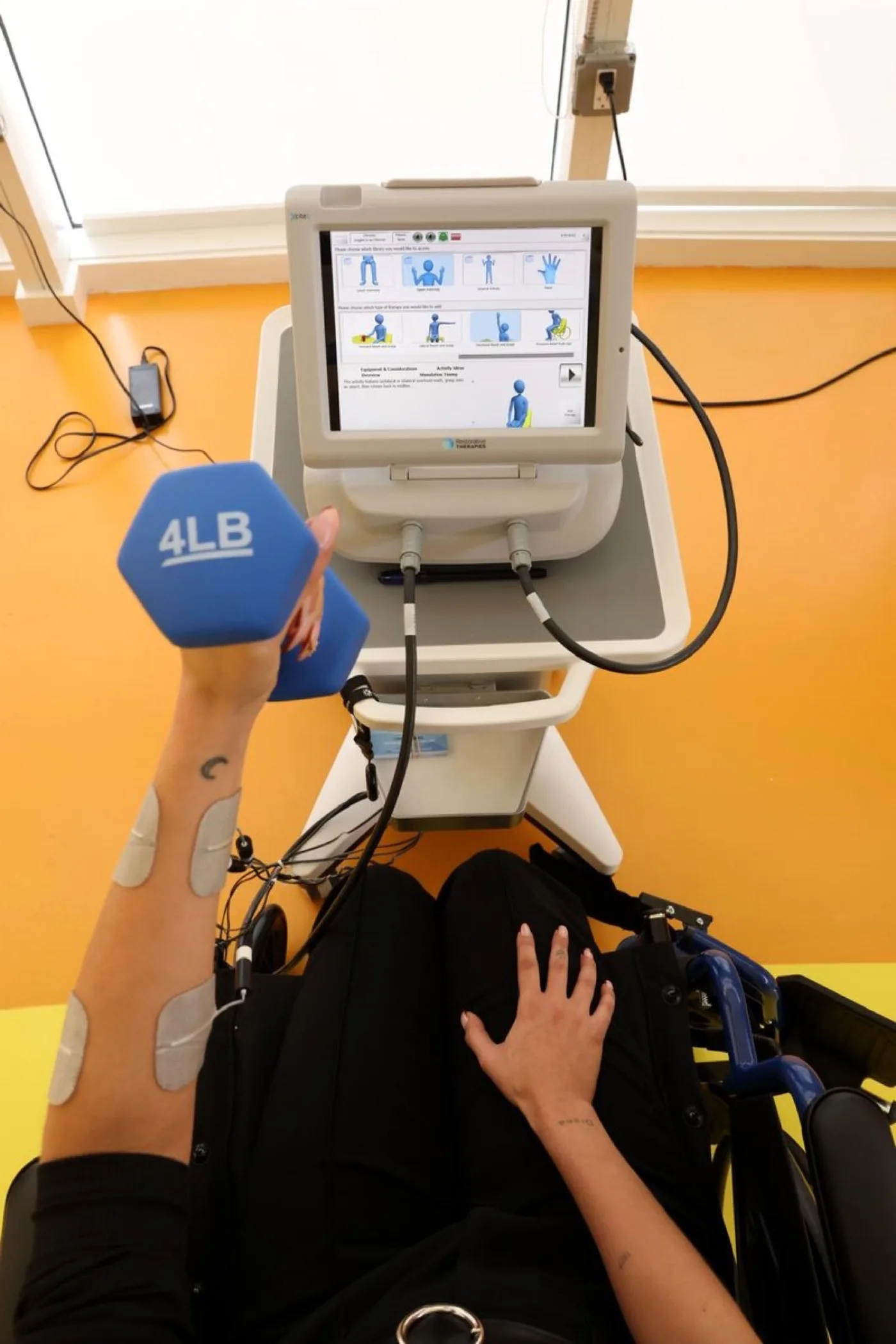
Uses multiple channels of functional electrical stimulation to activate selected muscles during task-specific practice, such as reaching or standing. The clinician sets the sequence and intensity.
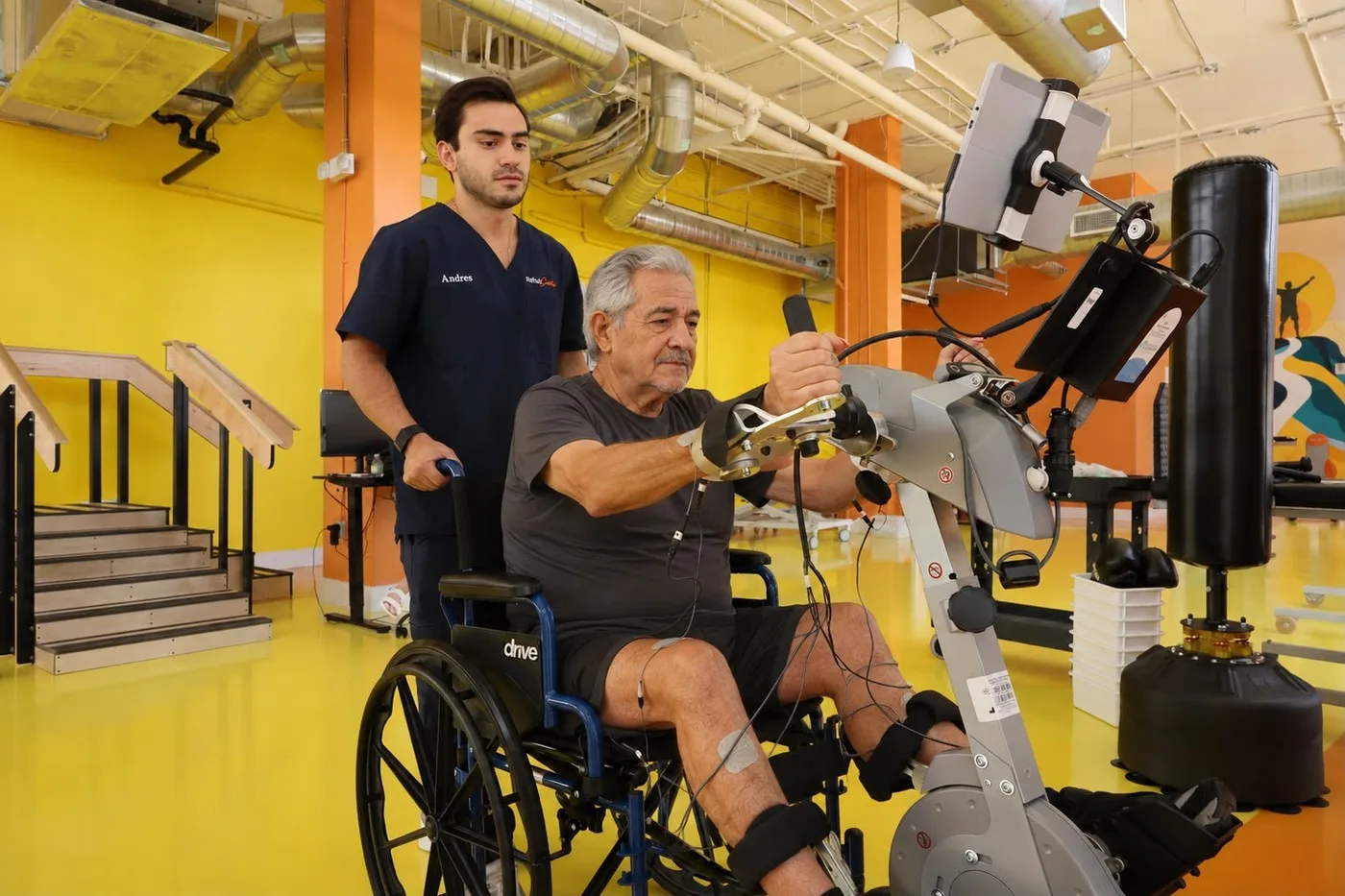
Electrodes deliver stimulation timed with the cycling motion so selected muscles can participate as your arms or legs move. Your clinician adjusts stimulation and assistance for the session.
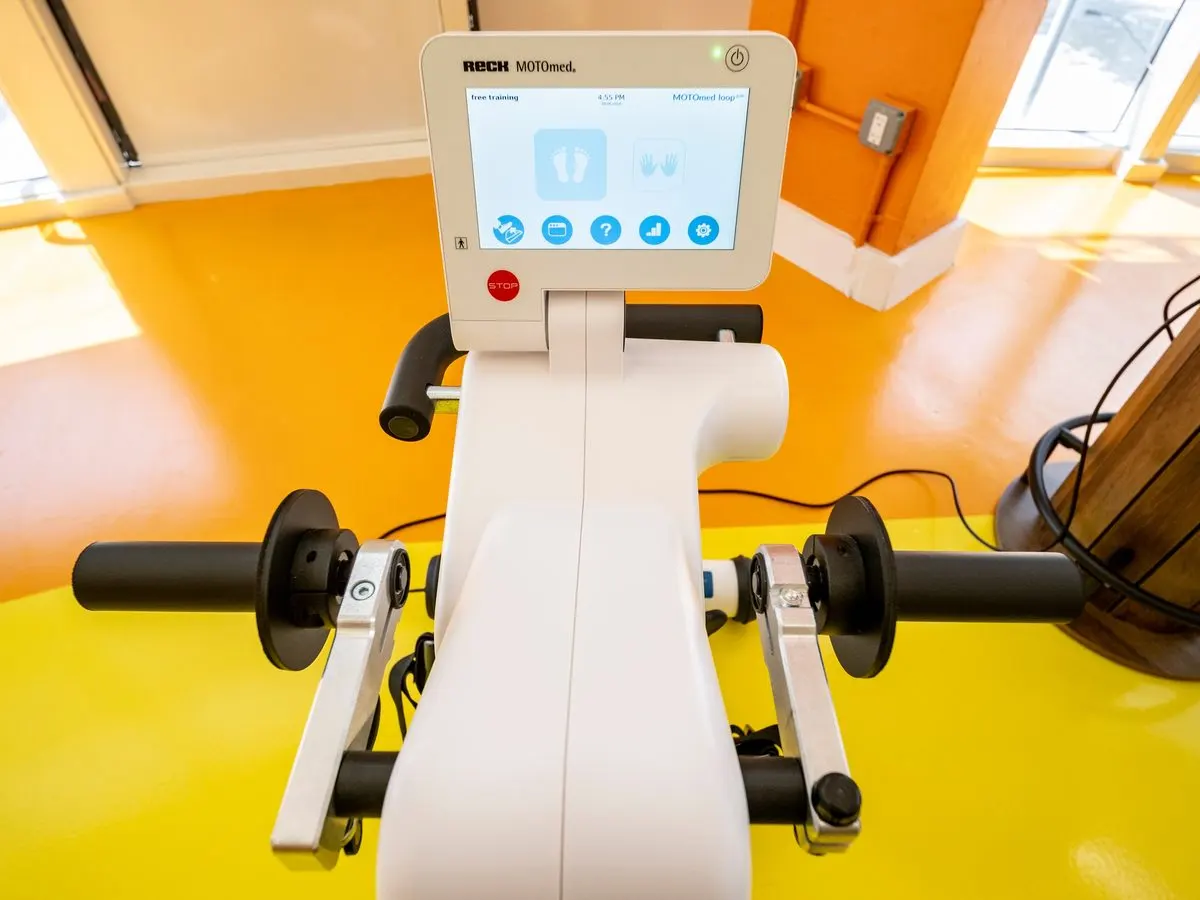
A seated arm-and-leg trainer with passive, motor-assisted, and active modes. It can provide more or less assistance as you participate.
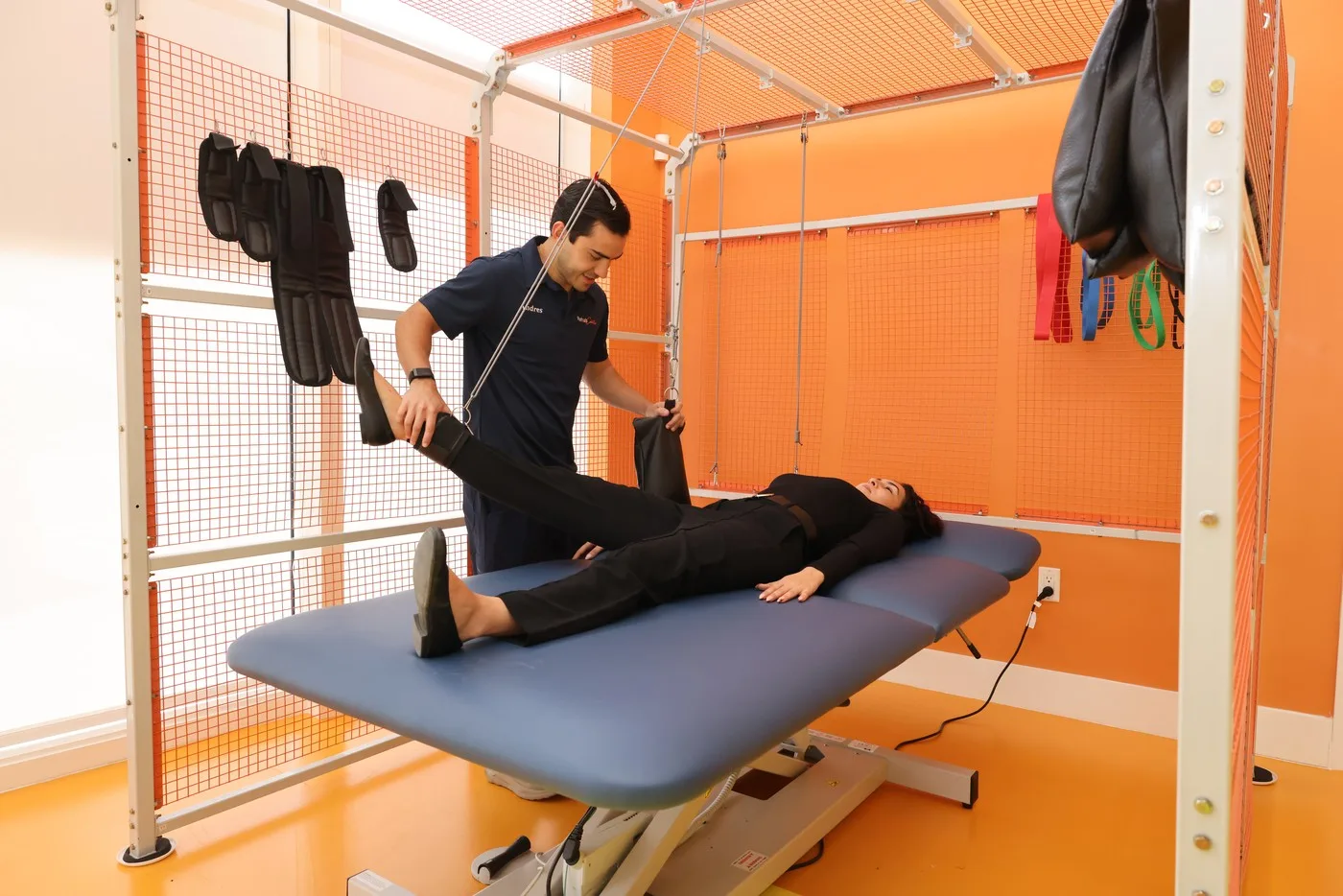
A suspension frame used to reduce the effect of gravity or add graded resistance during guided movement practice after injury, surgery, or neurological changes.
Equipment that lets clinicians adjust positioning, body-weight support, hand support, and assistance while you practice being upright or taking steps.
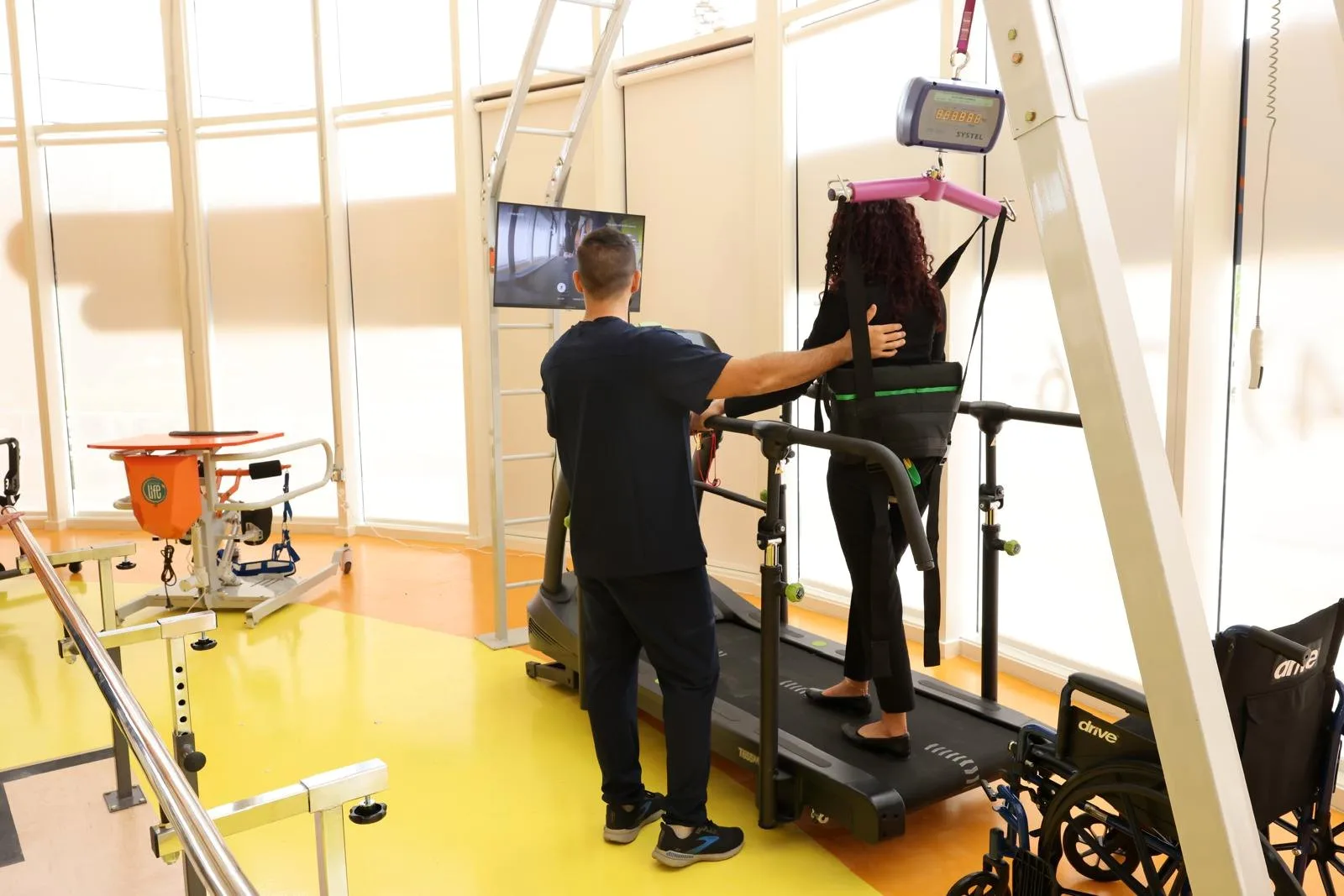
An overhead harness unloads part of your body weight while you practice standing and stepping on the treadmill. Your clinician adjusts support, speed, and hands-on assistance.
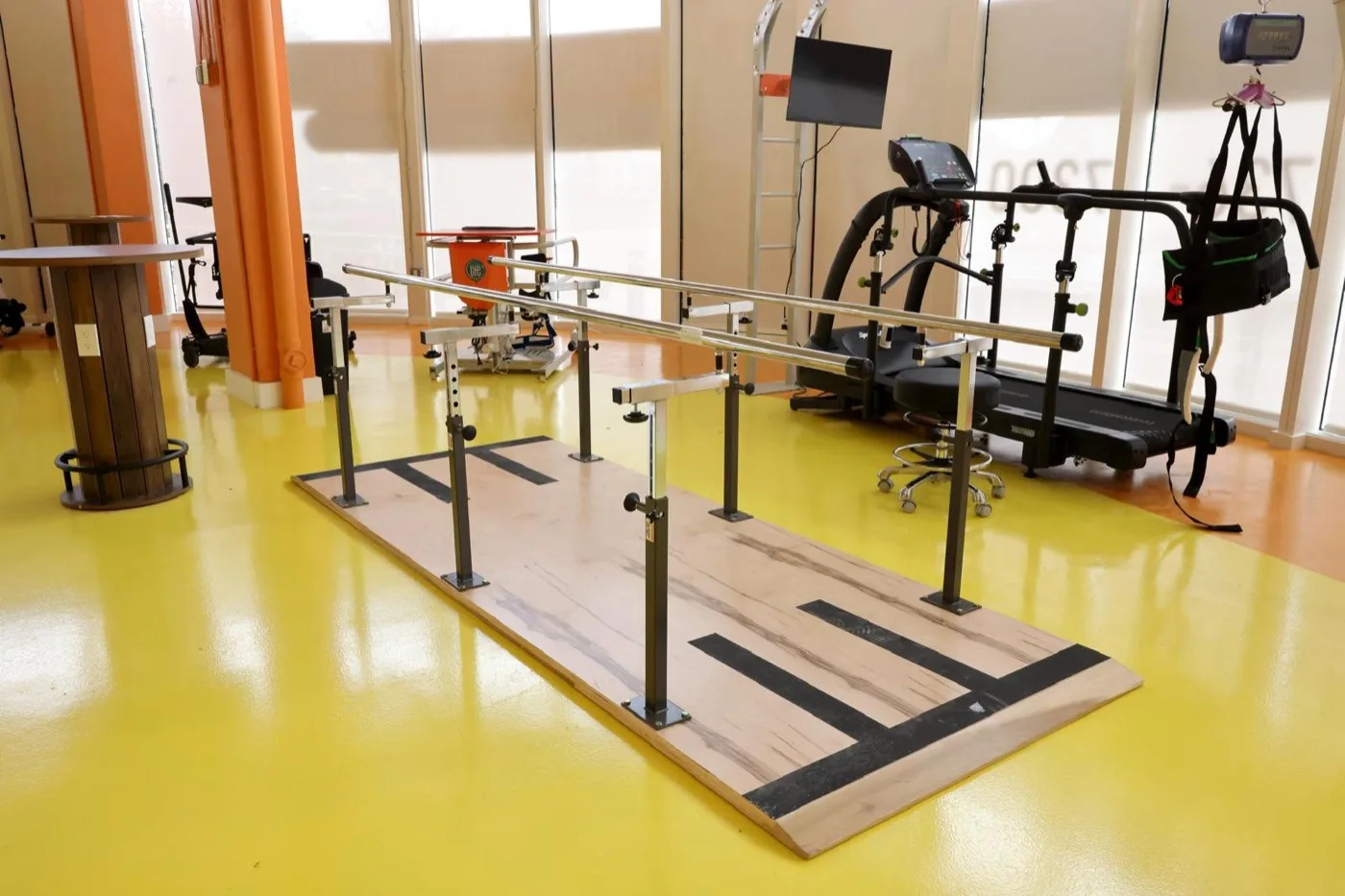
Height-adjustable bars and a marked walkway provide hand support while practicing standing, transfers, weight shifting, foot placement, and walking.
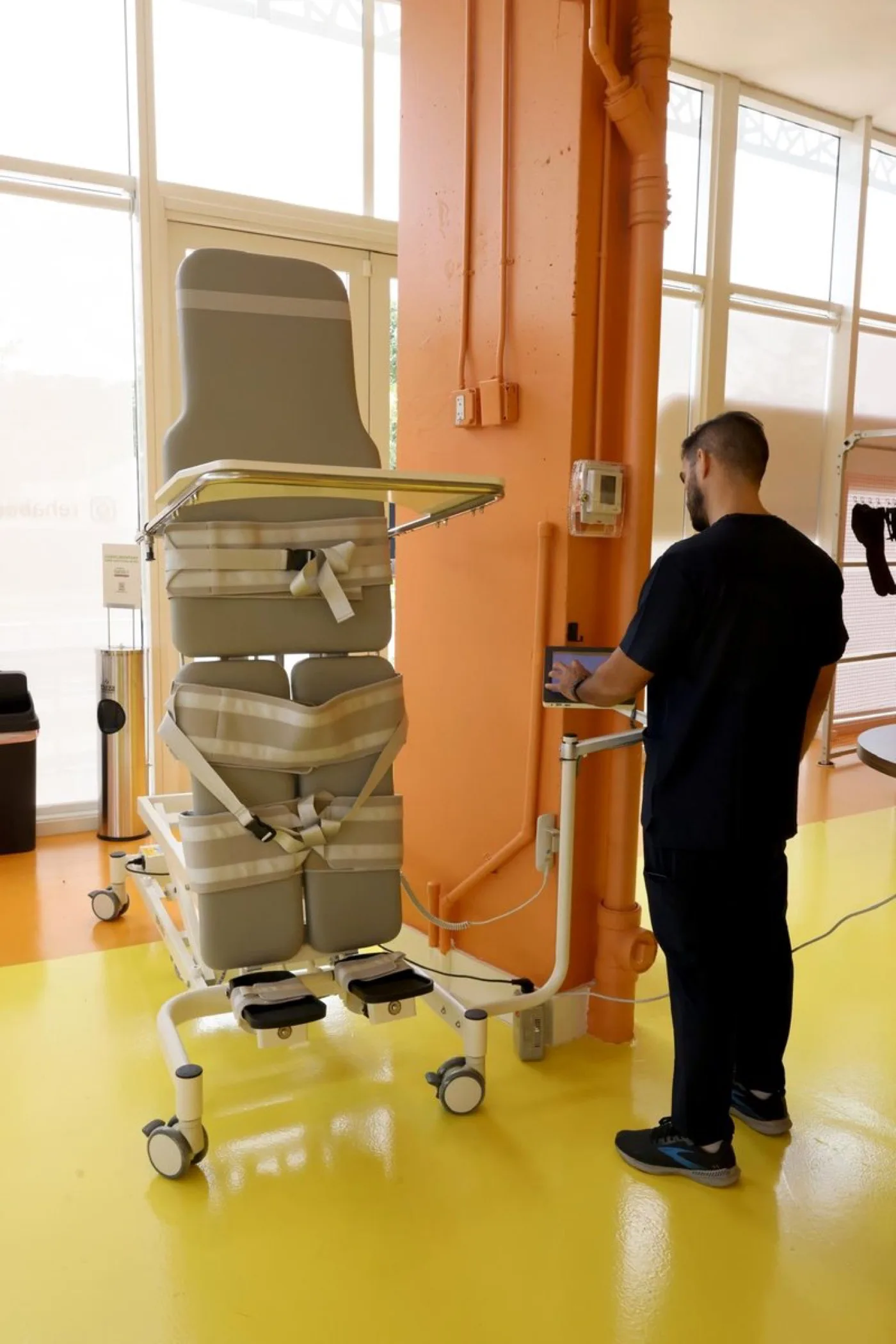
A table that gradually moves from lying toward upright while the body remains supported. It can be used when someone needs a gradual return to an upright position.
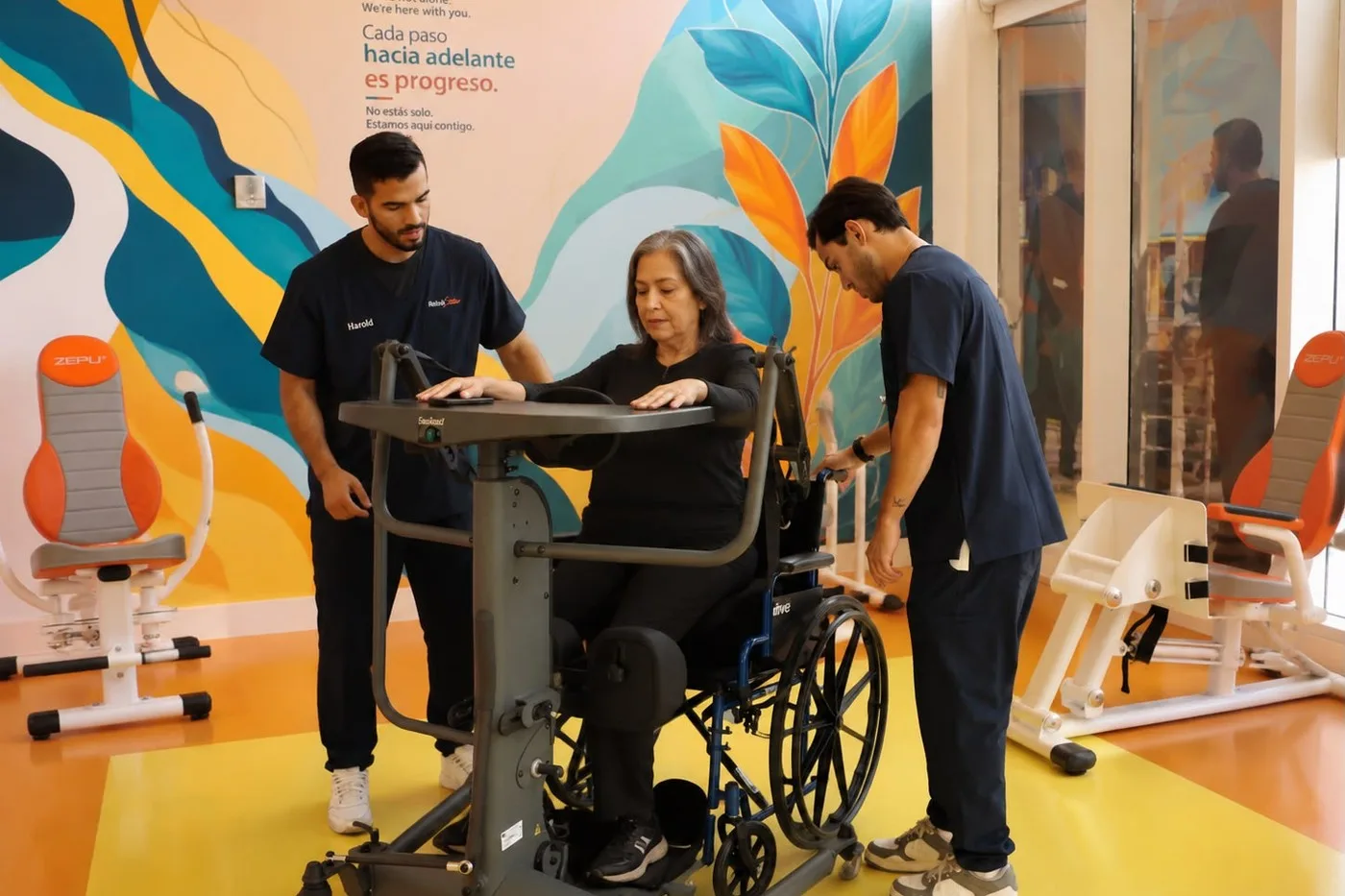
A supportive frame that holds the body upright when independent standing is not yet possible. The clinician adjusts positioning and support for the session.
Adjustable equipment for controlled strengthening and practice with reaching, coordination, and hand use.
An adjustable workstation for practicing fine and gross motor skills, strength, and controlled movement through the shoulder, elbow, wrist, and hand.
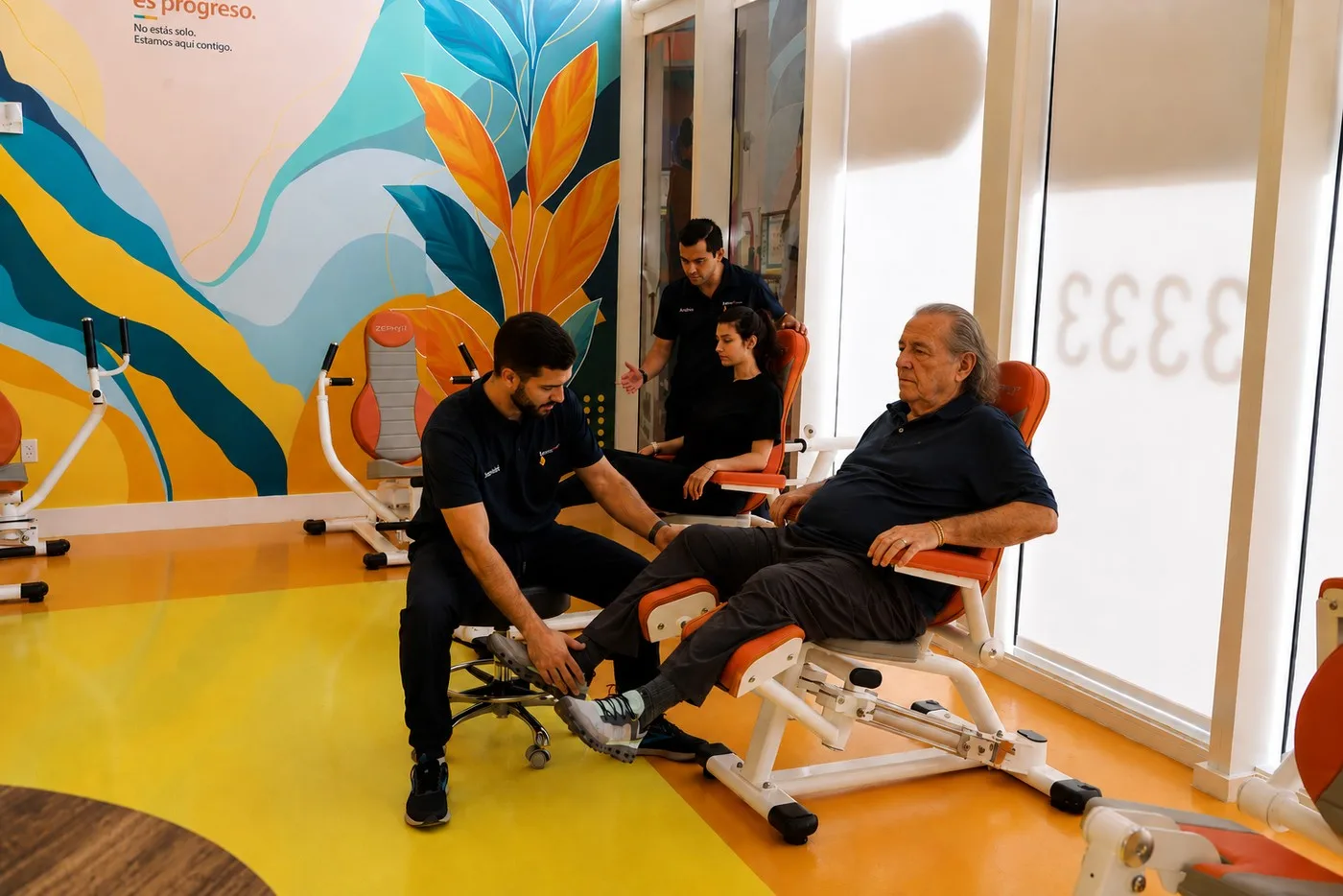
A seated machine for strengthening hip and knee extension with adjustable resistance and range. Your clinician sets it according to your current control and tolerance.
These brief videos show how selected equipment is prepared and used as part of rehabilitation.
Tell us the diagnosis, what has changed, and what matters most right now. We will help coordinate the appropriate first appointment.