
ALS Physical & Occupational Therapy in Hallandale Beach
Physical and occupational therapy for mobility, positioning, comfort, and daily tasks with ALS. Your plan adapts to changing abilities, energy, equipment needs, and the support you and your care partners need now.
Care in English and Spanish
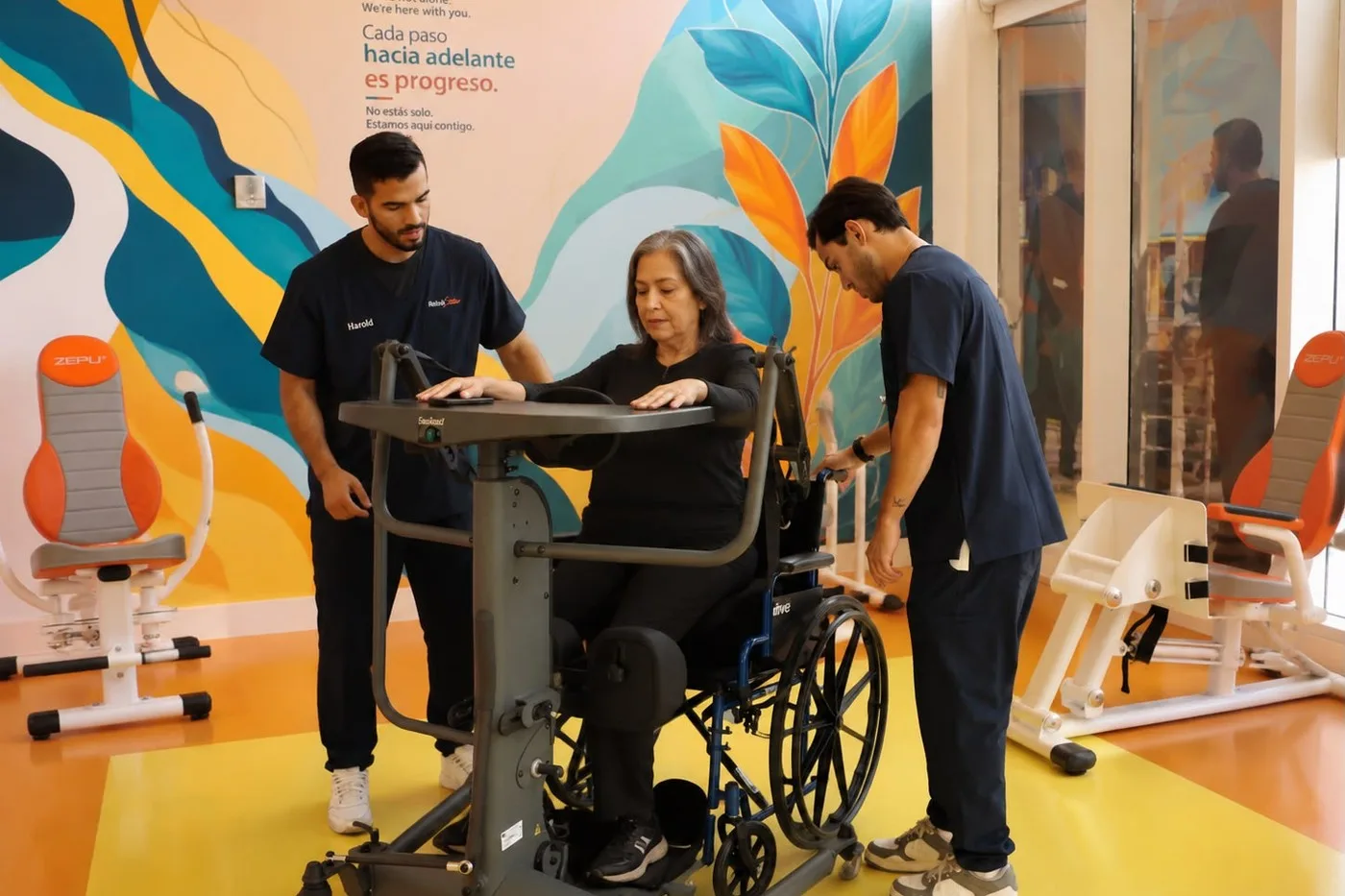
ALS care for movement, comfort, and daily needs.
The plan reflects your current function, fatigue, respiratory status, medical guidance, home needs, and personal priorities.
Ask a QuestionMobility and transfers
Safer strategies for walking, bed mobility, chairs, and transfers as needs change.
Positioning and range of motion
Movement and positioning strategies intended to support comfort and joint mobility.
Daily tasks and equipment
Adaptations, assistive equipment, and caregiver strategies for everyday activities.
A plan that adapts with you
Activity is selected with your energy, comfort, and medical guidance in mind. Goals focus on practical support for daily life.
Comfort and positioning
Support joint mobility, alignment, and comfortable positions.
Safer transfers
Practice transfer methods and caregiver assistance appropriate to current needs.
Equipment planning
Identify mobility or daily-living equipment that may improve safety and access.
Care-partner support
Teach practical strategies for mobility, positioning, and changing routines.
Your first ALS rehabilitation visit
We review what has changed, which activities require more effort, what equipment is in use, and what you and your care partners need now.
Review medical guidance
Bring neurology notes, medications, respiratory or movement precautions, and current equipment.
Assess function and effort
We review mobility, range of motion, positioning, transfers, daily tasks, and fatigue as appropriate.
Prioritize the next needs
The team recommends practical strategies, therapy priorities, and equipment follow-up when needed.
Technology that supports your ALS Rehabilitation
When appropriate, equipment may support positioning, mobility, arm and hand use, or carefully selected movement practice as needs change with ALS. The clinical team considers comfort, energy, safety, current function, and your priorities.
Explore all technology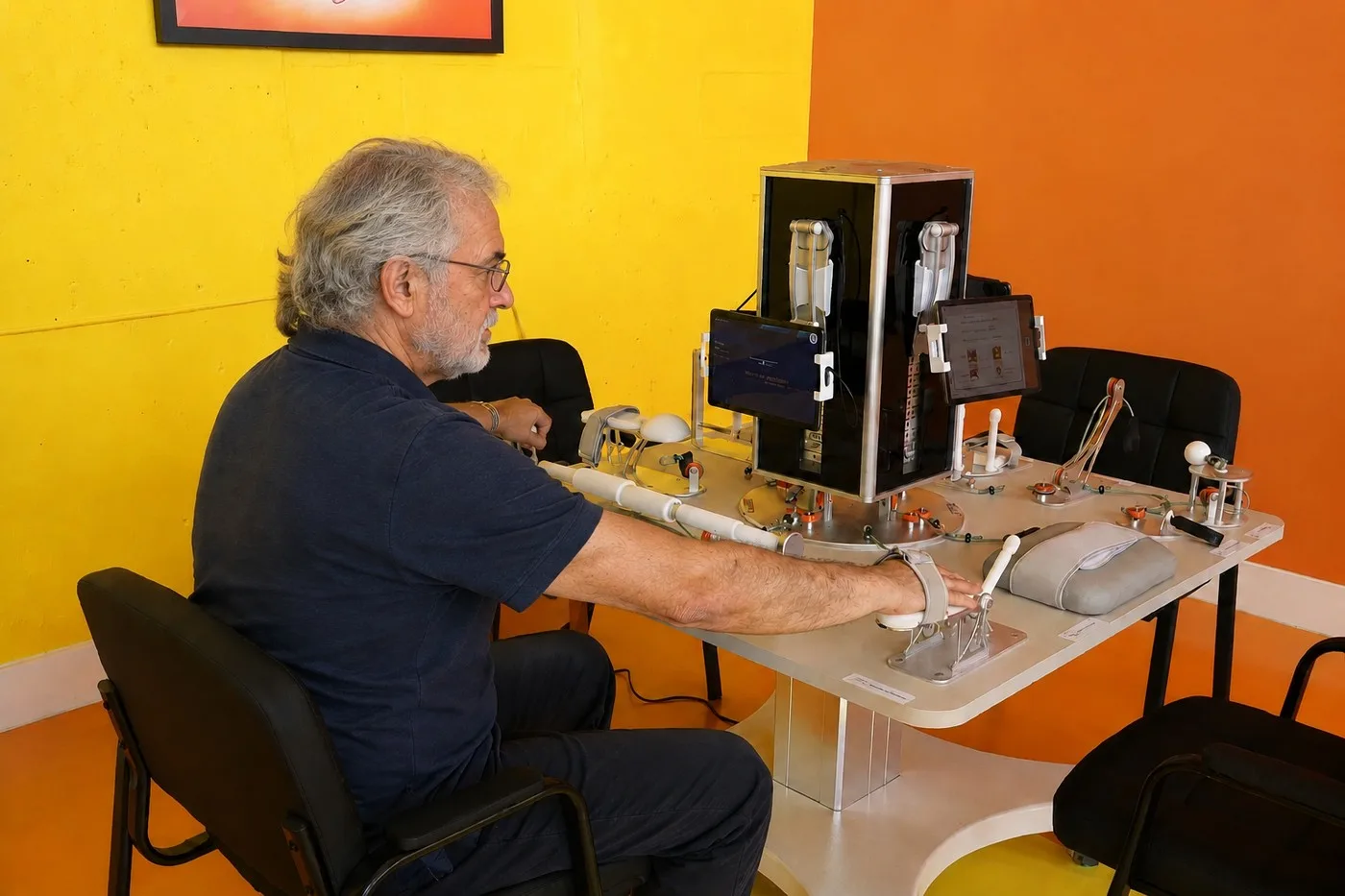
View equipment for this program
MOTOmed Muvi
Motor-assisted arm and leg cycling can be adjusted to the person’s current movement ability.
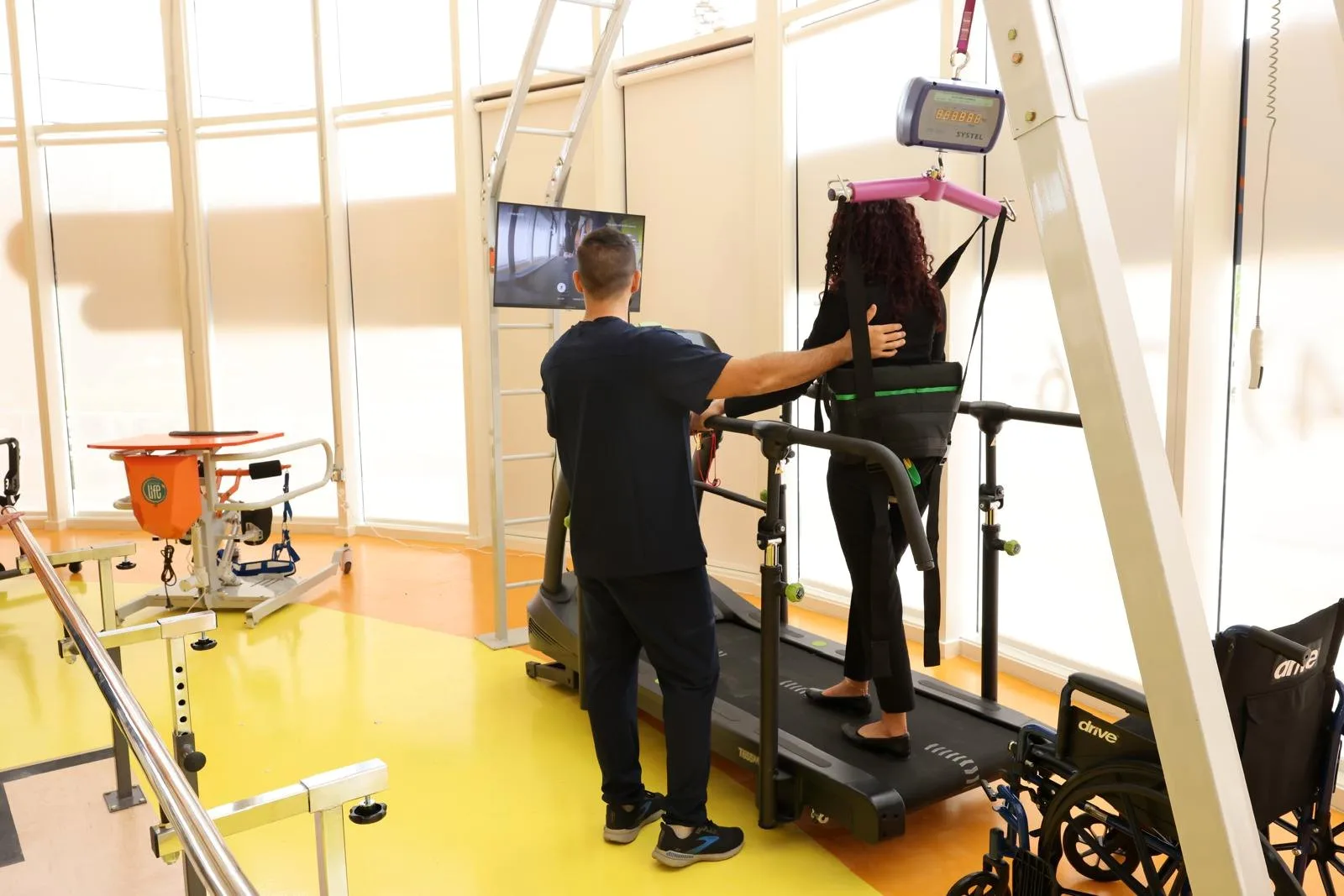
Body-Weight-Supported Treadmill
A harness reduces the amount of body weight the patient must manage during supported walking practice.
ZEPU Standing Table
The table can bring the body gradually toward an upright position when standing tolerance is part of the plan.
SMART EquiTest® Balance System
Computerized assessment and training can measure balance responses and guide appropriate balance practice.
ZEPU Occupational Therapy Table
A modular workstation for arm and hand movement, coordination, dexterity, and functional task practice.
Standing Frame
The frame provides support for upright positioning when independent standing is not currently appropriate.
Parallel Bars
Bilateral hand support can be used for standing, transfers, weight shifting, stepping, and gait practice.
ALS rehabilitation questions
Talk with us about your questionsIs strengthening always part of ALS therapy?
Not automatically. Activity is selected and dosed according to current strength, fatigue, symptoms, respiratory considerations, and medical guidance.
Can caregivers participate?
Yes. Training may include positioning, transfers, equipment, and ways to assist while protecting both the patient and caregiver.
Can the plan change over time?
Yes. Reassessment is important because mobility, equipment, communication, and caregiver needs may change.